



Dec 12, 2025
WE START WITH THE THINGS WE FIND

buildings that contain architecture schools should always be UNFINISHED
2016
Aarhus, Denmark
12,700 m2
Virginie Stolz, Marcelo Ertorteguy, Sara Valente, Reza Zia, design team
concept & vision
instead of a final statement on the style of a time or the icon of a place, we see architecture school buildings more as neutral and provocative scaffolding: armatures, tools, and frameworks that inspire and allow constant transformation. An architecture school is not truly designed only once (in this case by an architect for a competition); it is transformed over again and again by its users: remade every season by its own city, community, faculty, and—above all—students
design & architecture
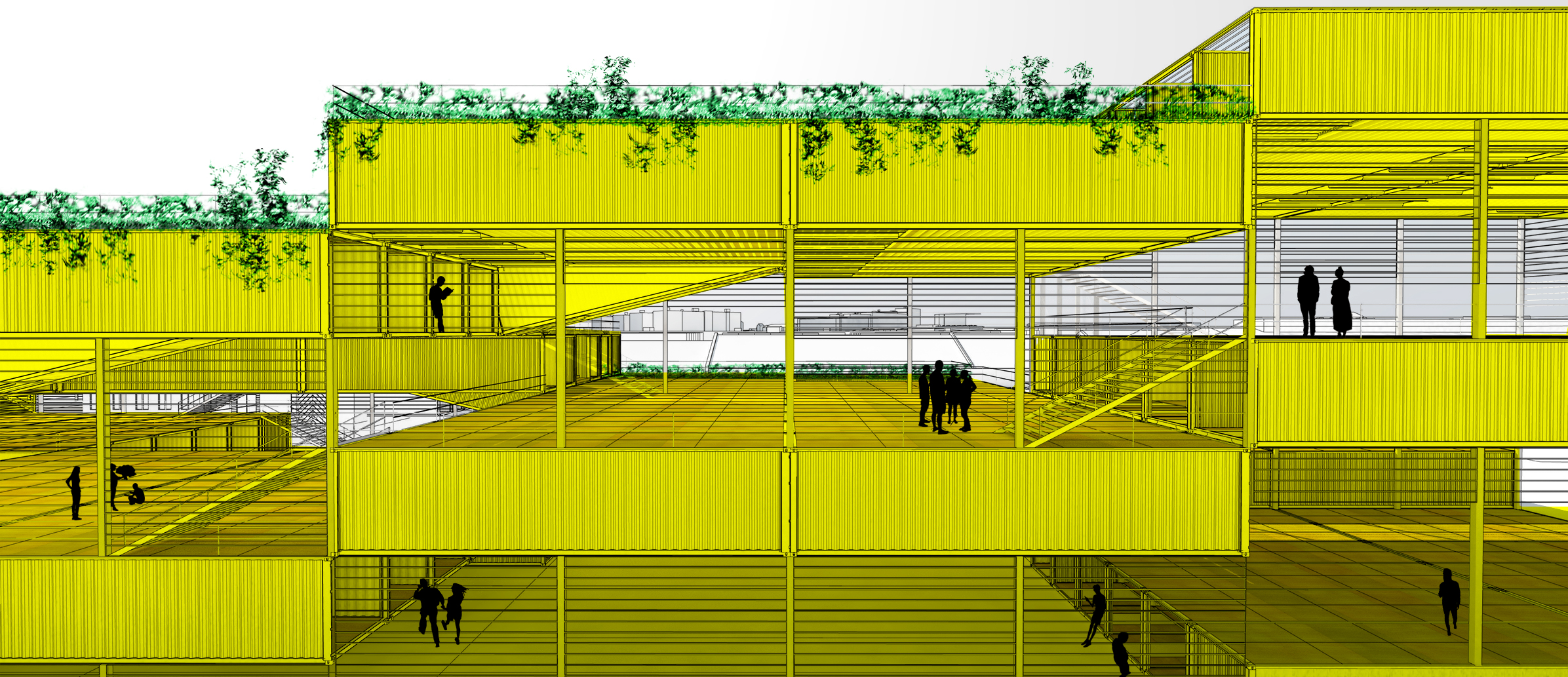
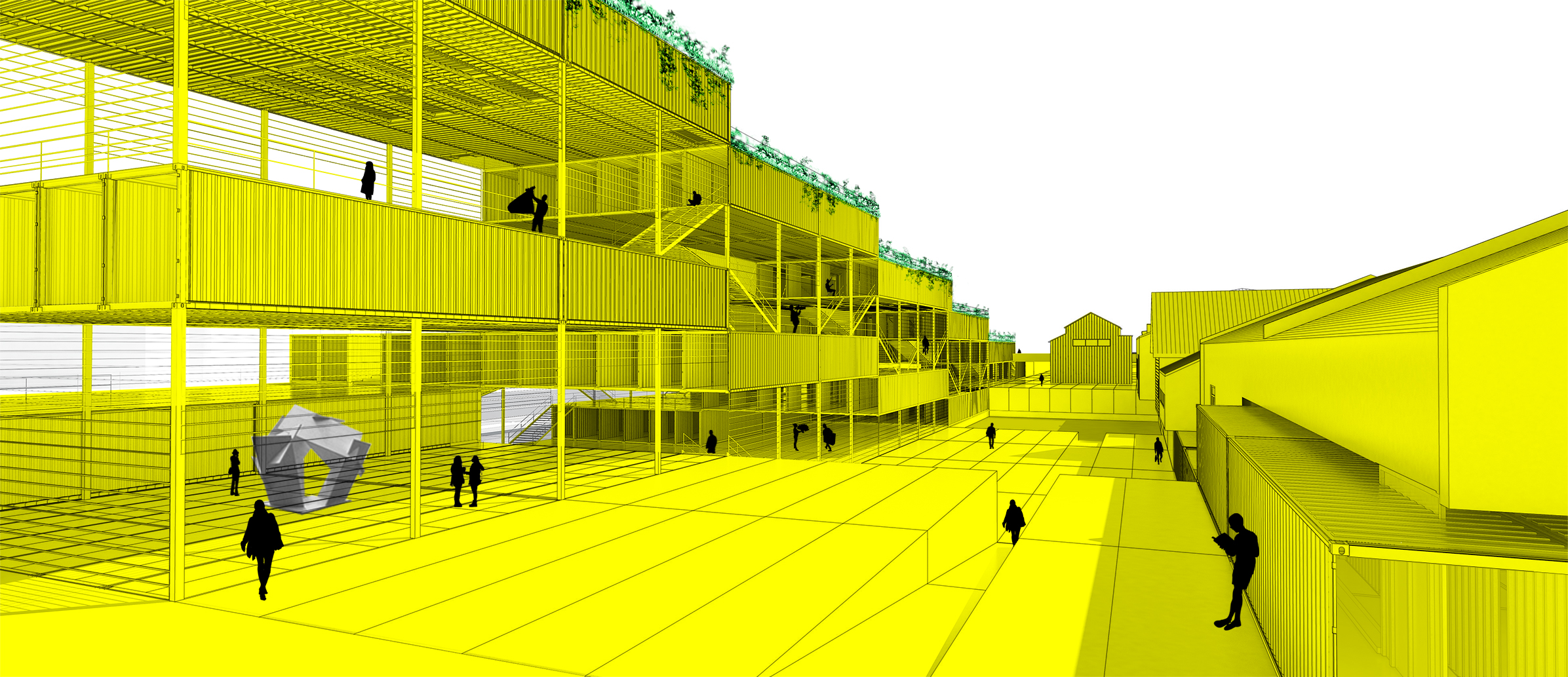
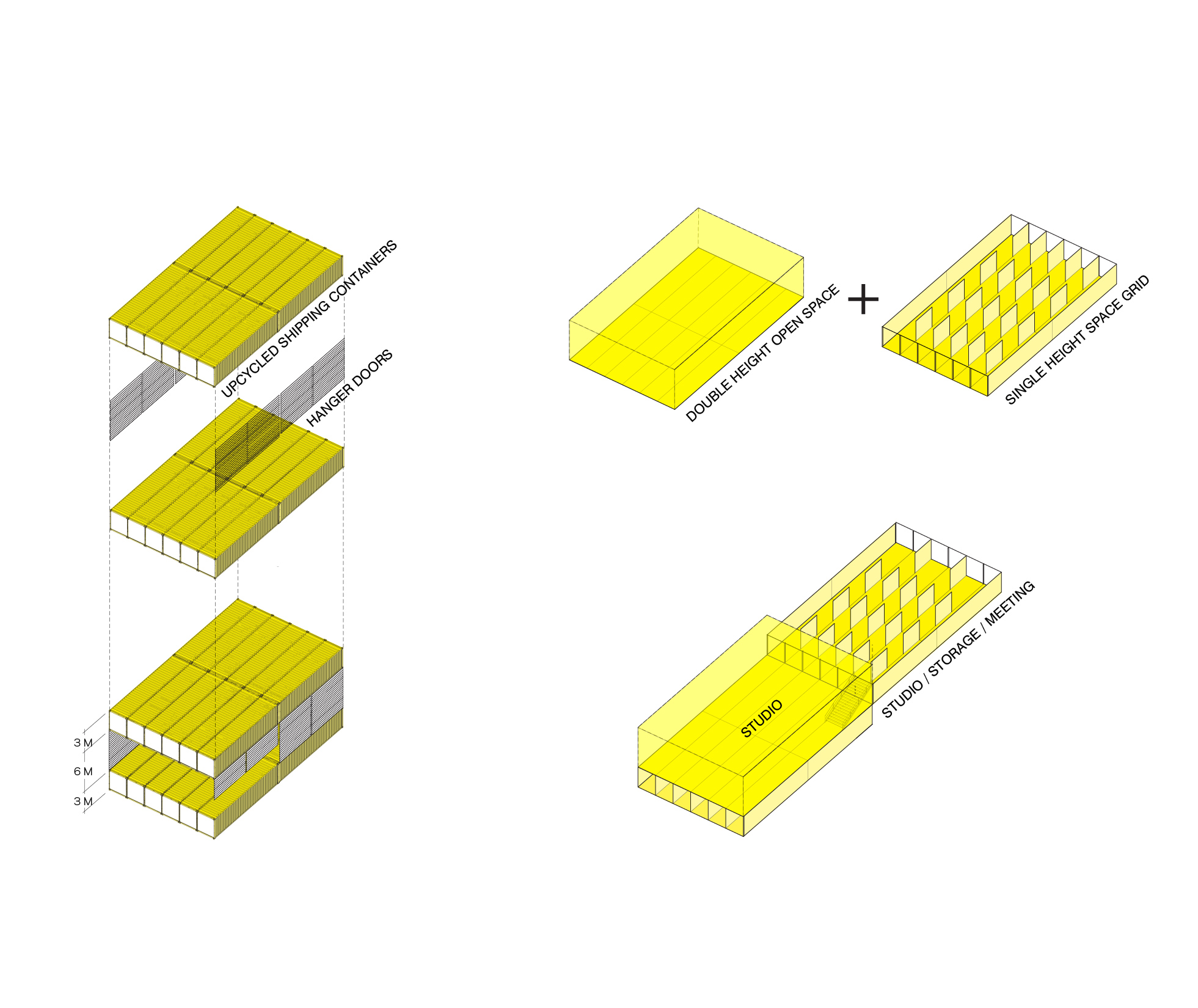
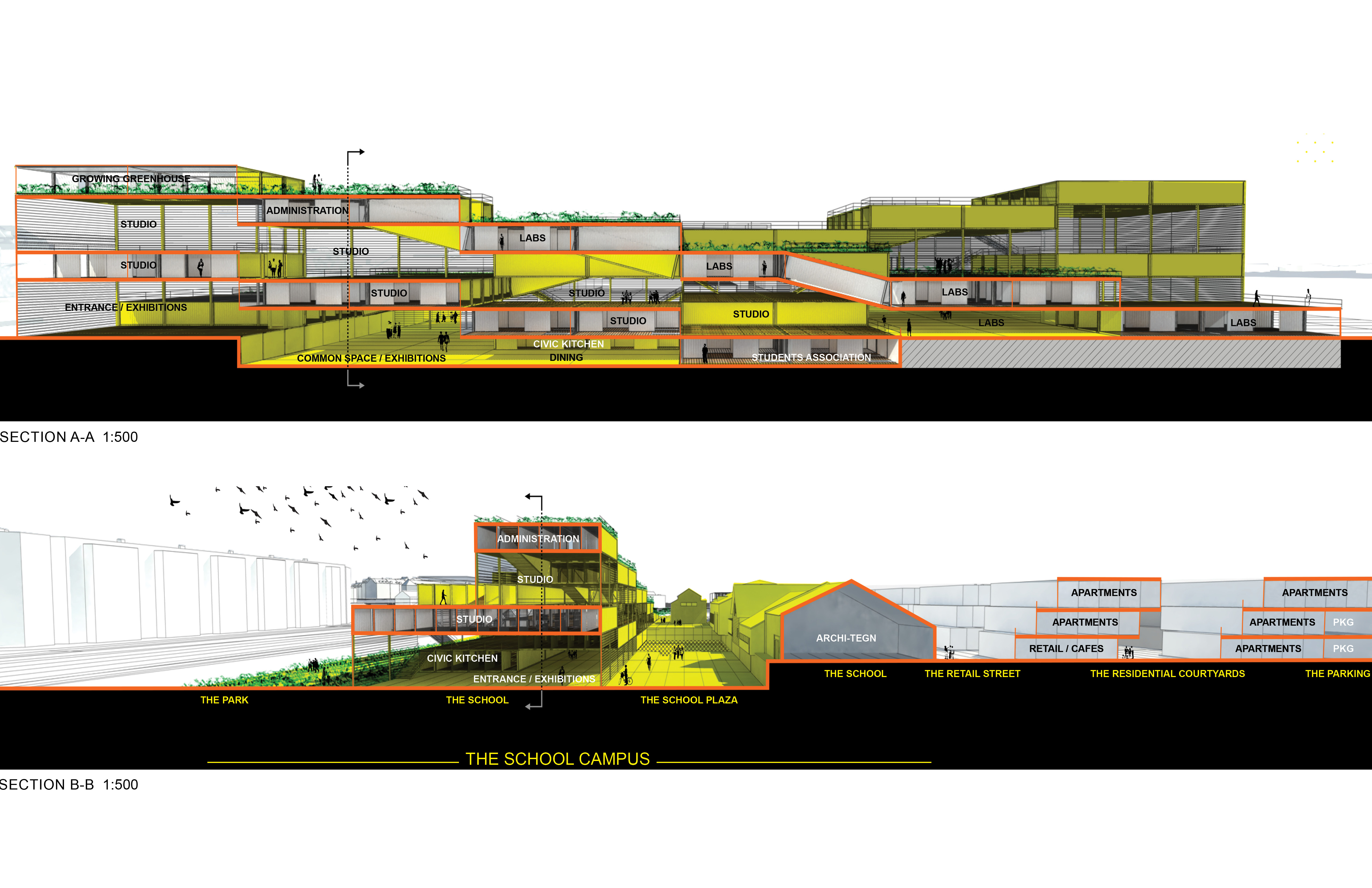
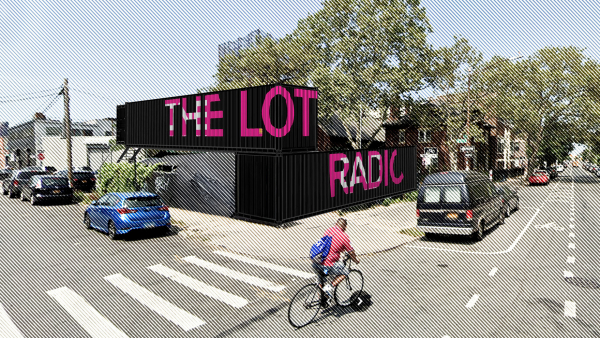
the Architecture School building is constructed out of 288 recycled standard ISO steel shipping containers. Floor and roof of each stepped volume is an inhabitable platform of 12 such containers, while the perimeter walls are standard glass-paneled aircraft hanger doors. This adaptive reuse and upcycling of readymade technology is an economical, ecological, and polemical decision, as it frees the building from the architectural style of any one place or time or person, and sustains the embodied carbon footprints of the objects in use
program & use
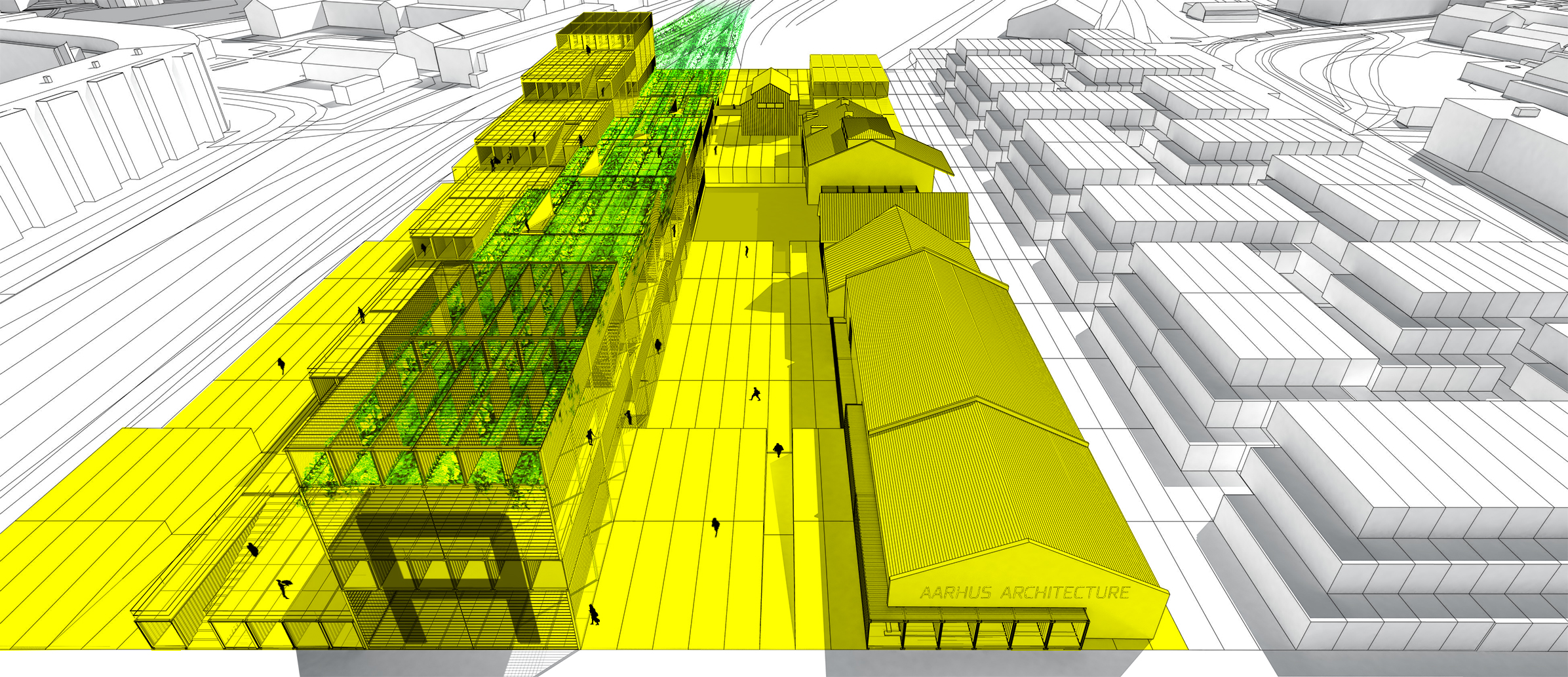
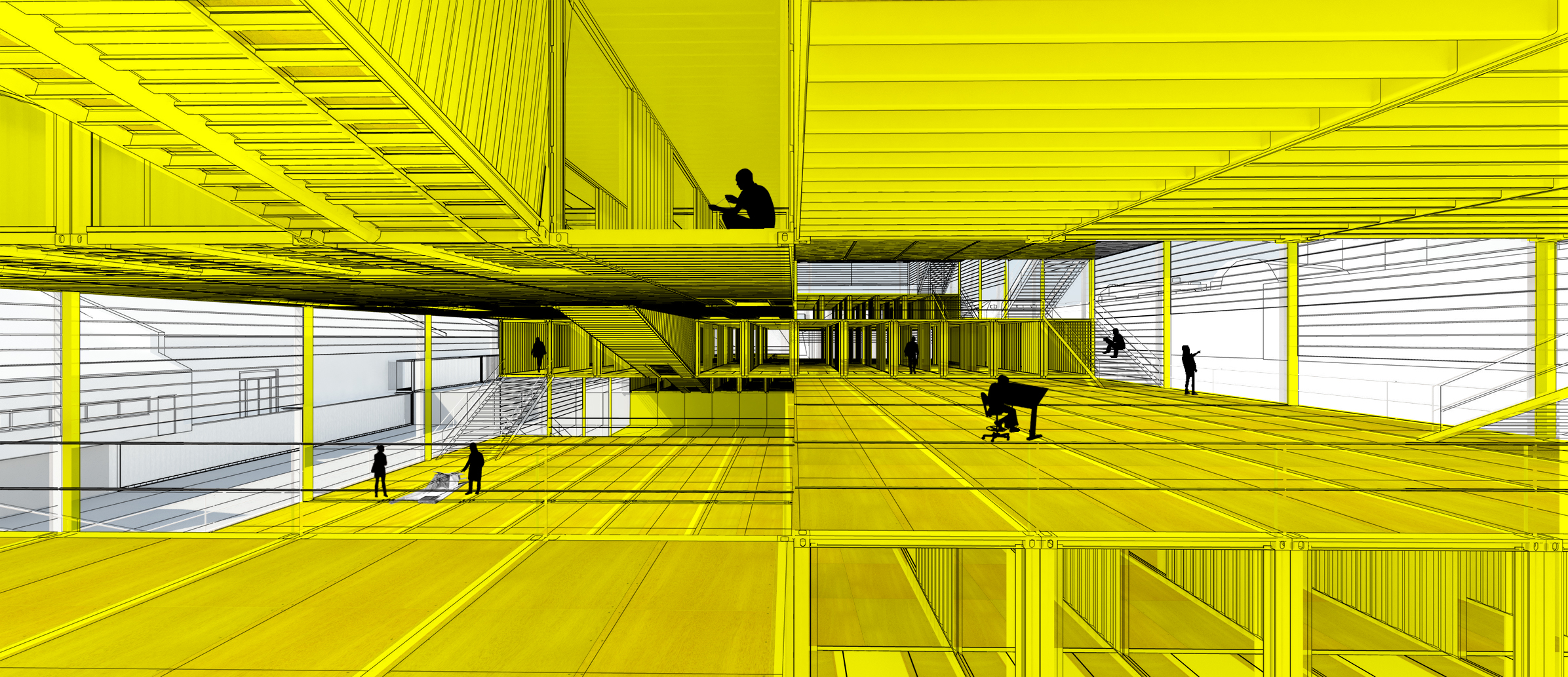
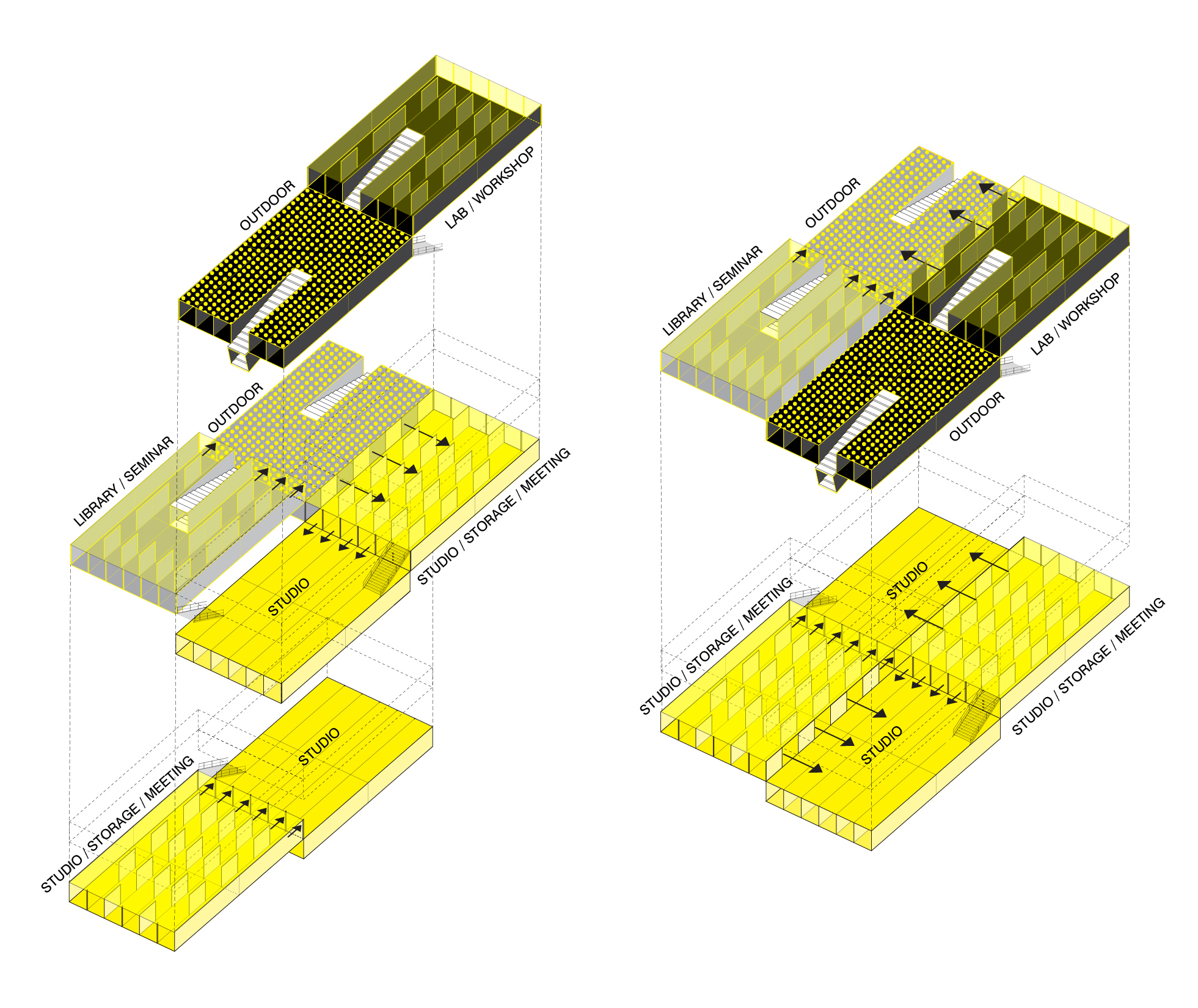
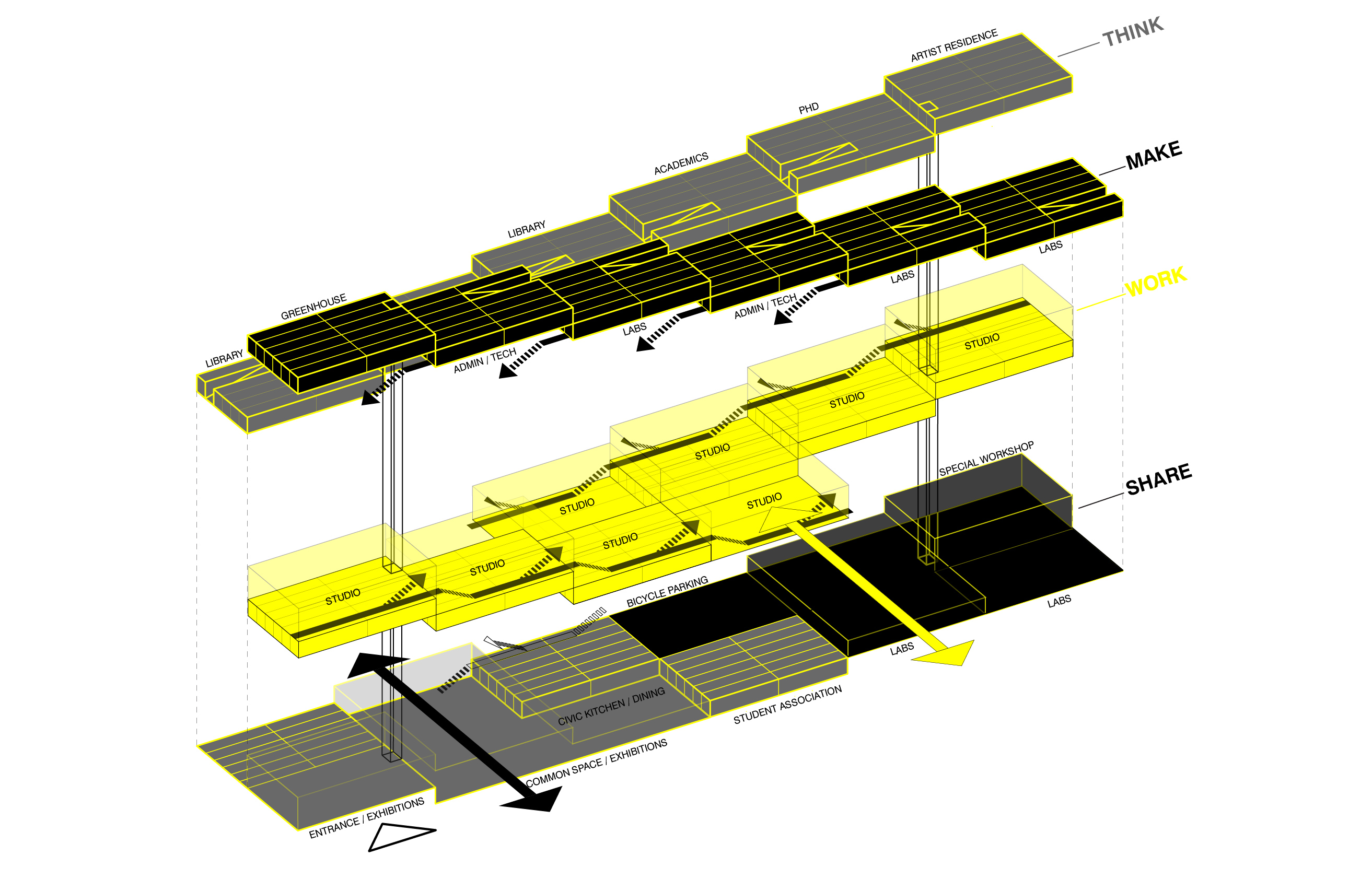
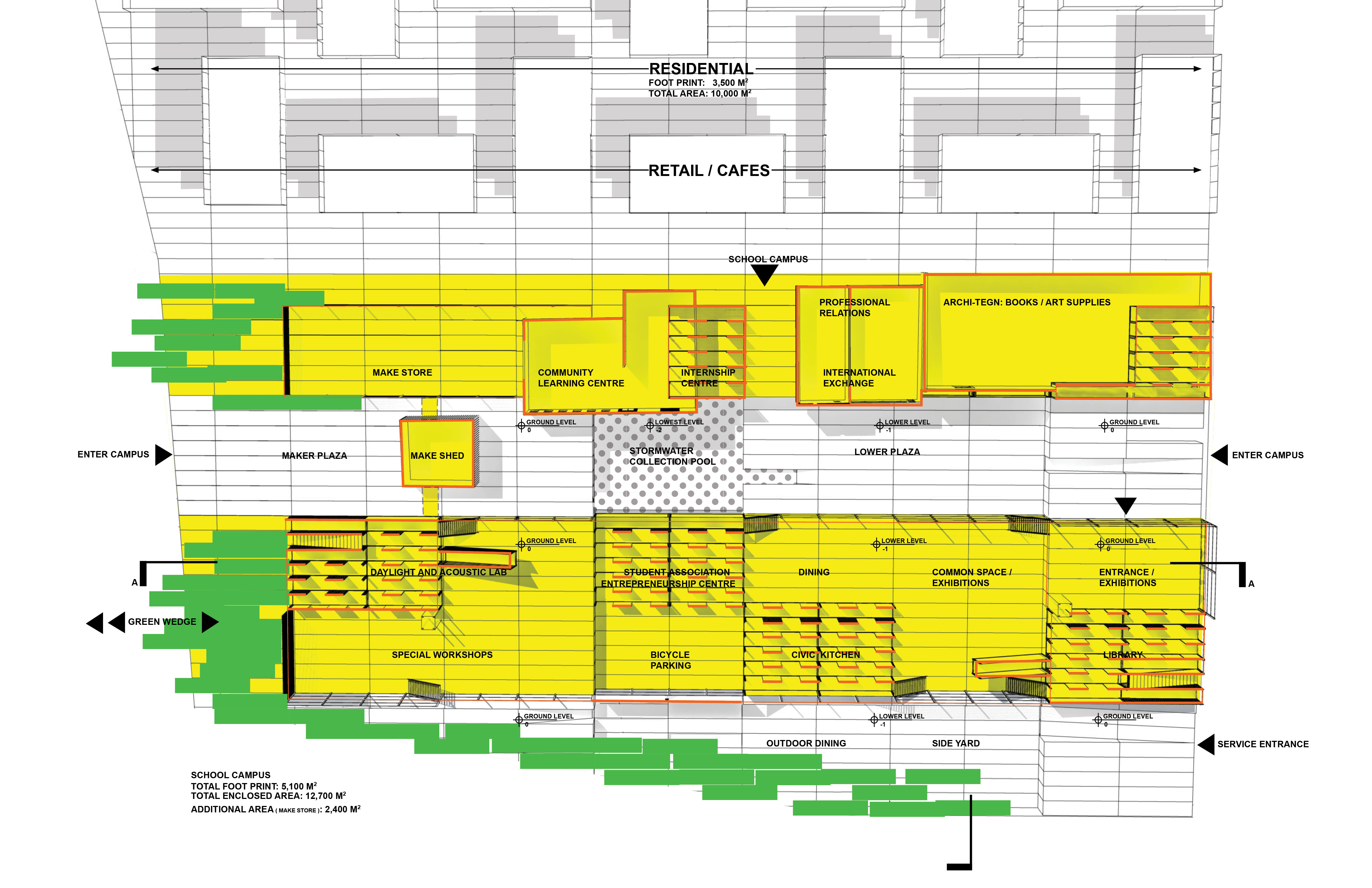
the outer/Southeast volume is THINK—that is, the work of the mind—with each step containing archives, seminars, faculty offices, and PhD facilities, and the ground-level area featuring exhibitions, civic kitchen, and common space. The inner/Northwest volume is MAKE—that is, the work of the hands—with the ground level featuring large/special fabrication labs, materials storage, and workshops, along with school administration offices and other support spaces. Design studios are at the heart of both stepped volumes. With open sightlines and clear wayfinding, circulation of the eye and body is constant and continuous. The scale of each “step” is calibrated to the size of typical groups and workshops, articulating the space without walls. Because the floor level of each design studio extends from the open double-height volume of its own step into the enclosed single-height plinth below the next step, design studios offer a variety of acoustic, daylighting, and other environmental conditions. The interior landscape is seamless and porous. An into-onto-over-under circulation of ramps, stairs, pathways and bridges stitch and weave against the grain in section and plan. The result is an architecture of short-cuts and short-circuits, previews and flashbacks, formal and informal moments of THINK and MAKE—in which students find their own paths
impact & significance
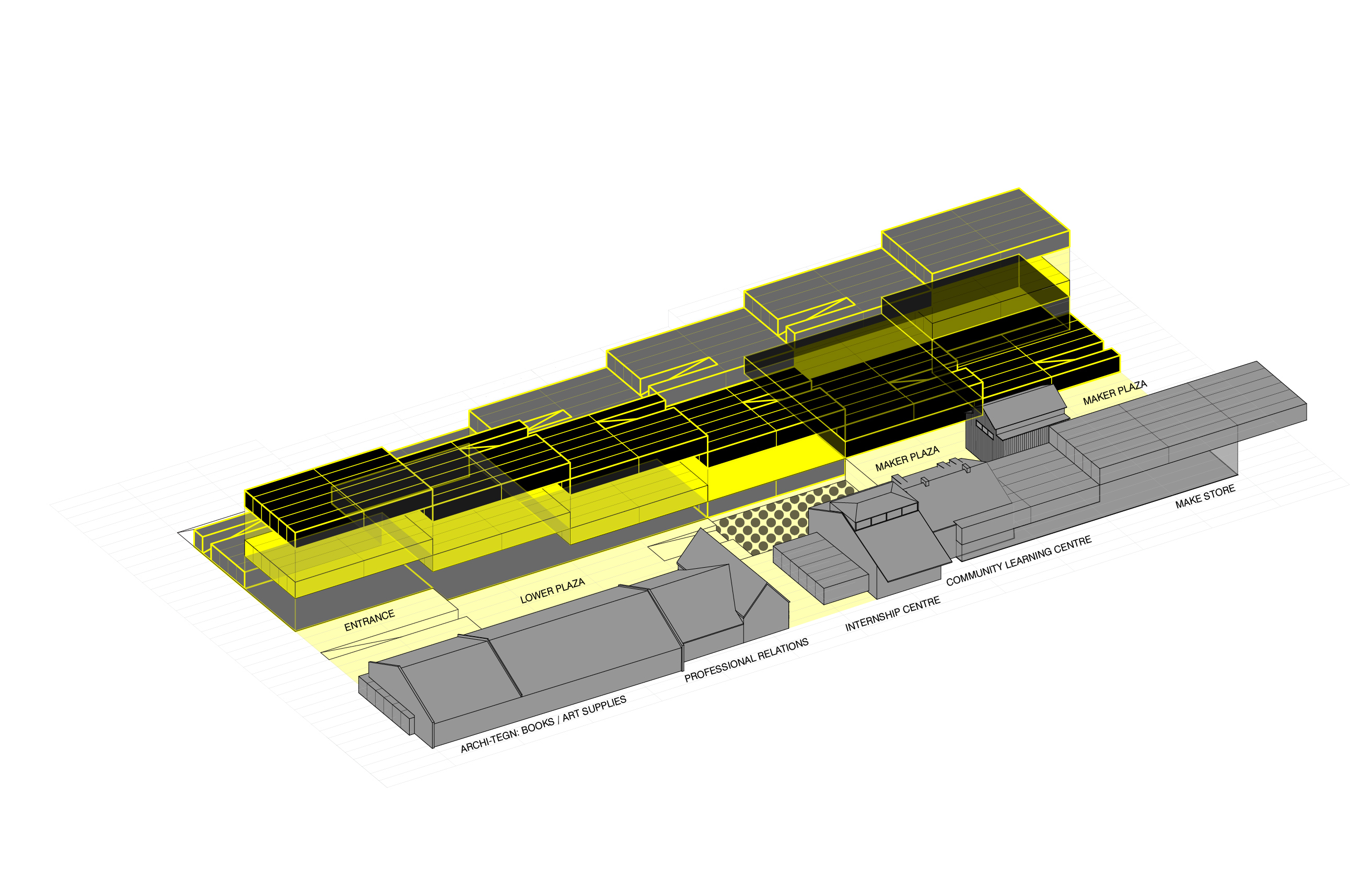
alignment between surrounding residences and the Aarhus School of Architecture building establishes a Community Campus. Alignment along the proposed linear urban plaza extending to the Godsbanen building establishes a Cultural Campus. The Architecture School, a Sectional Campus in one building, overlaps with both zones, supporting a coherent and continuous neighborhood
Dec 12, 2025
WE START WITH THE THINGS WE FIND