




Dec 12, 2025
WE START WITH THE THINGS WE FIND
a new museum for MAC proposes a different kind of institution—resisting monumentality, the museum is conceived as a scaffold to experience art and creativity both inside and outside
2026
Panama City
200,000 SF
Museo de Arte Contemporaneo de Panama
Darien Montañez, local architect / Luis Alfaro, landscape architect / TYLin, civil+structure+MEP / INTROBA, sustainability
concept & vision
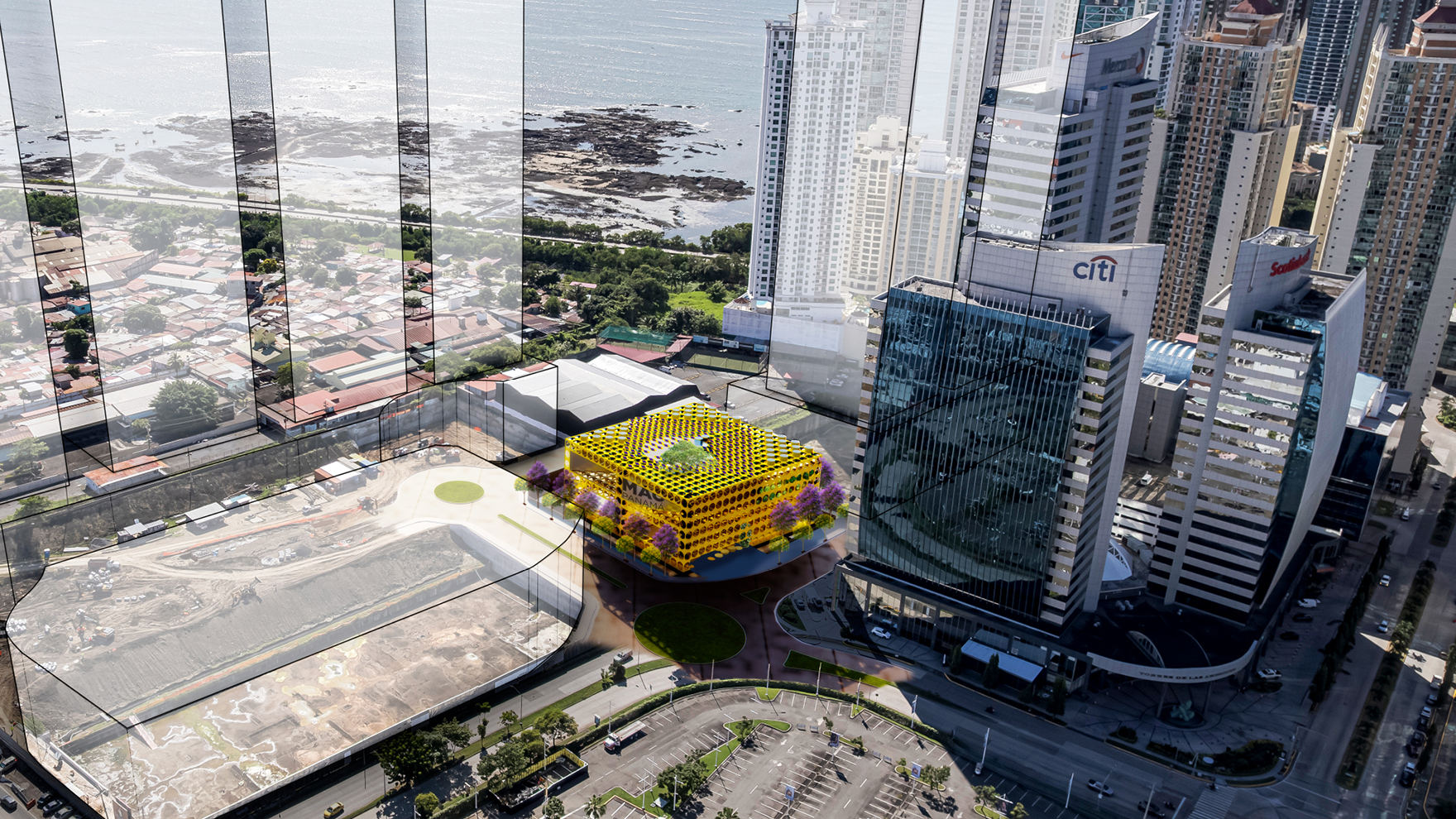
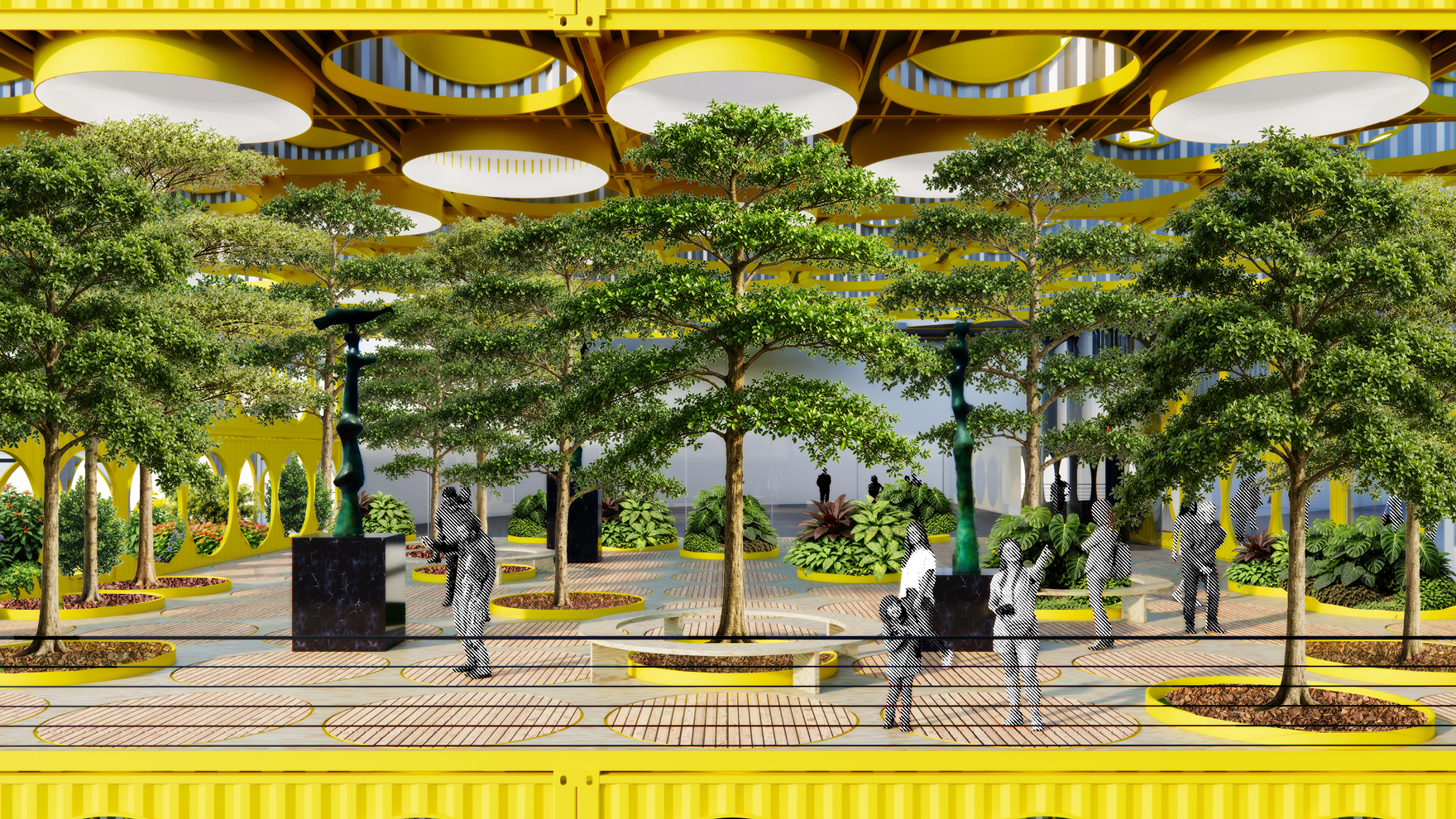
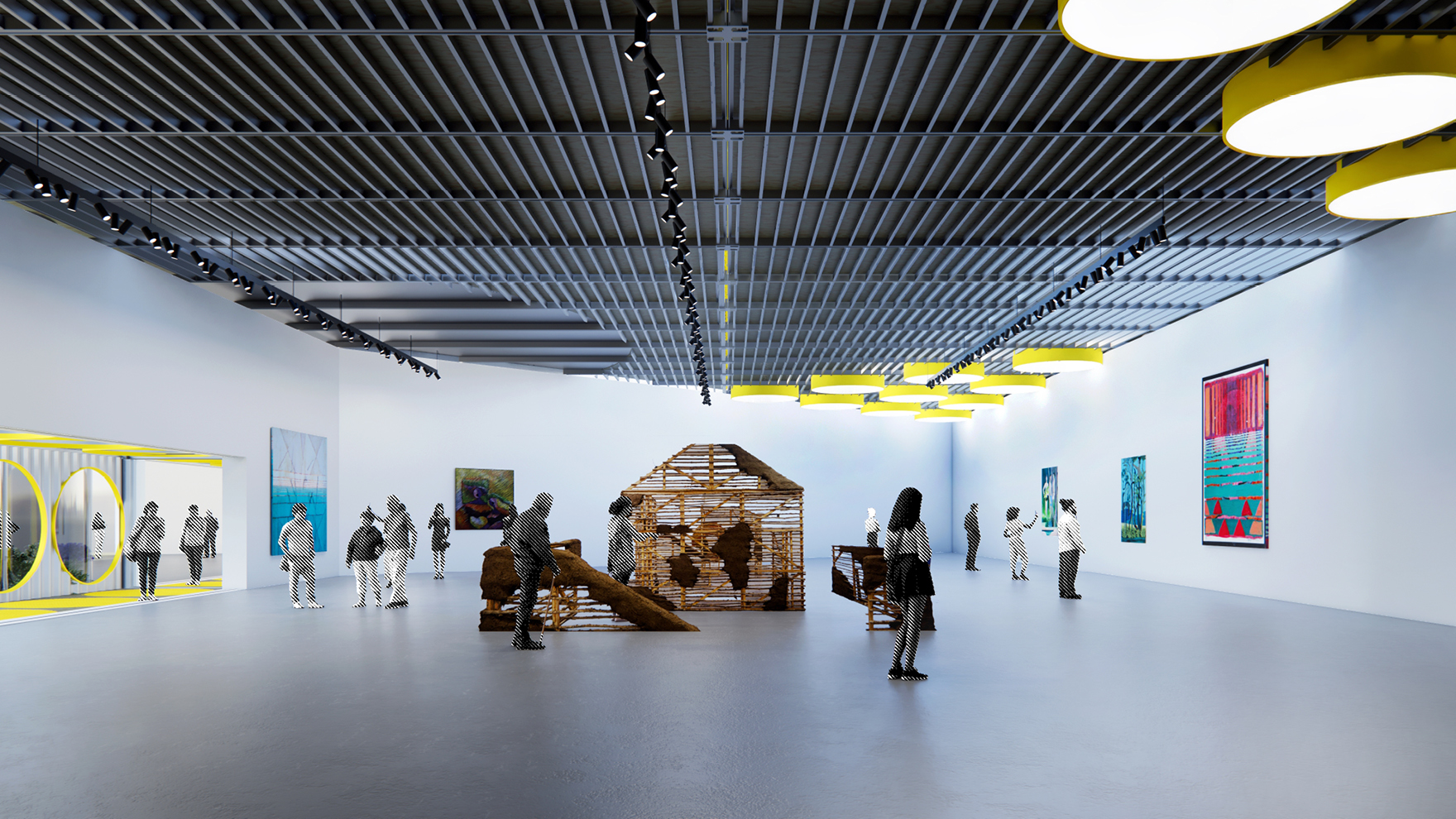
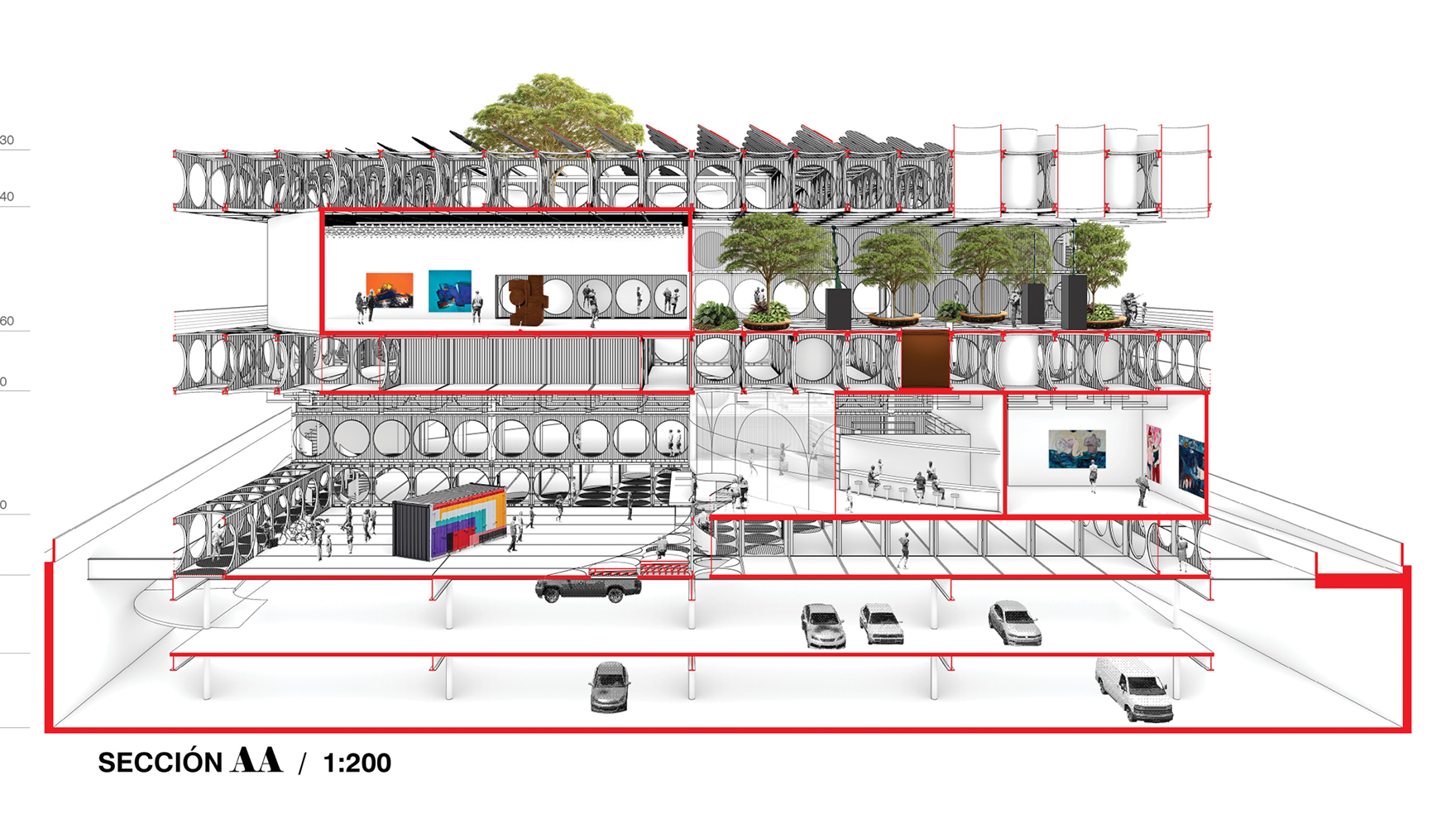
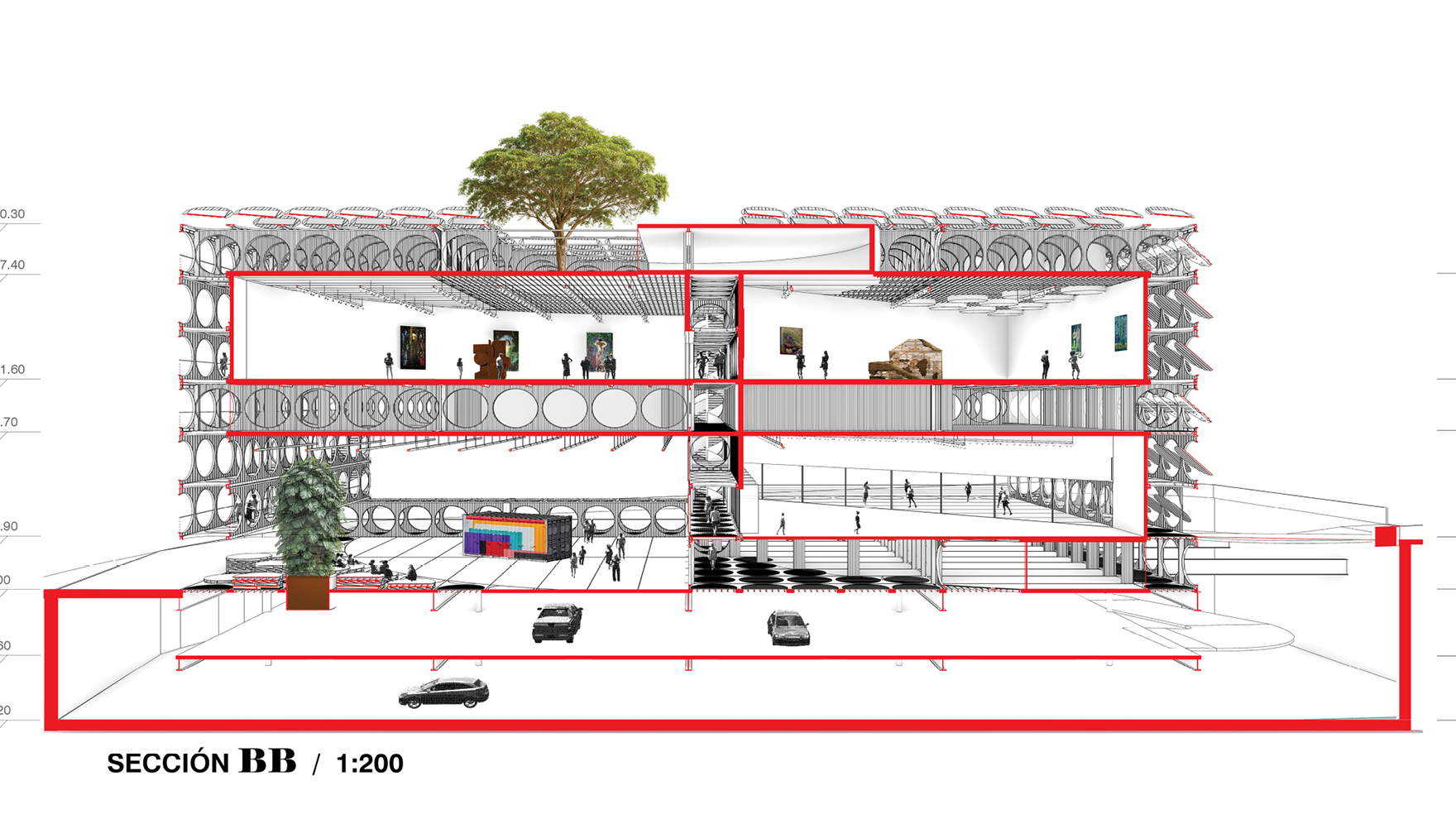
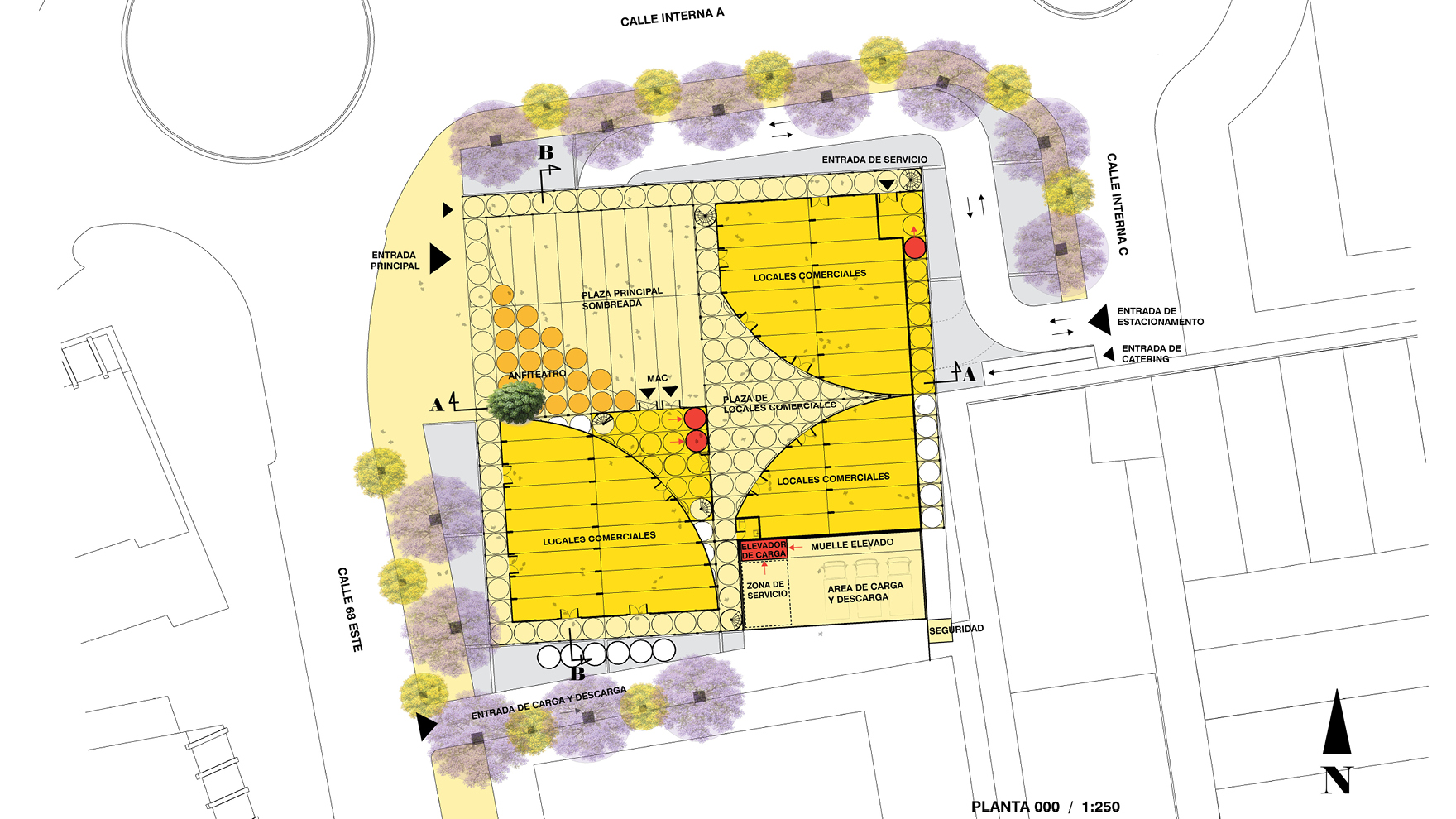
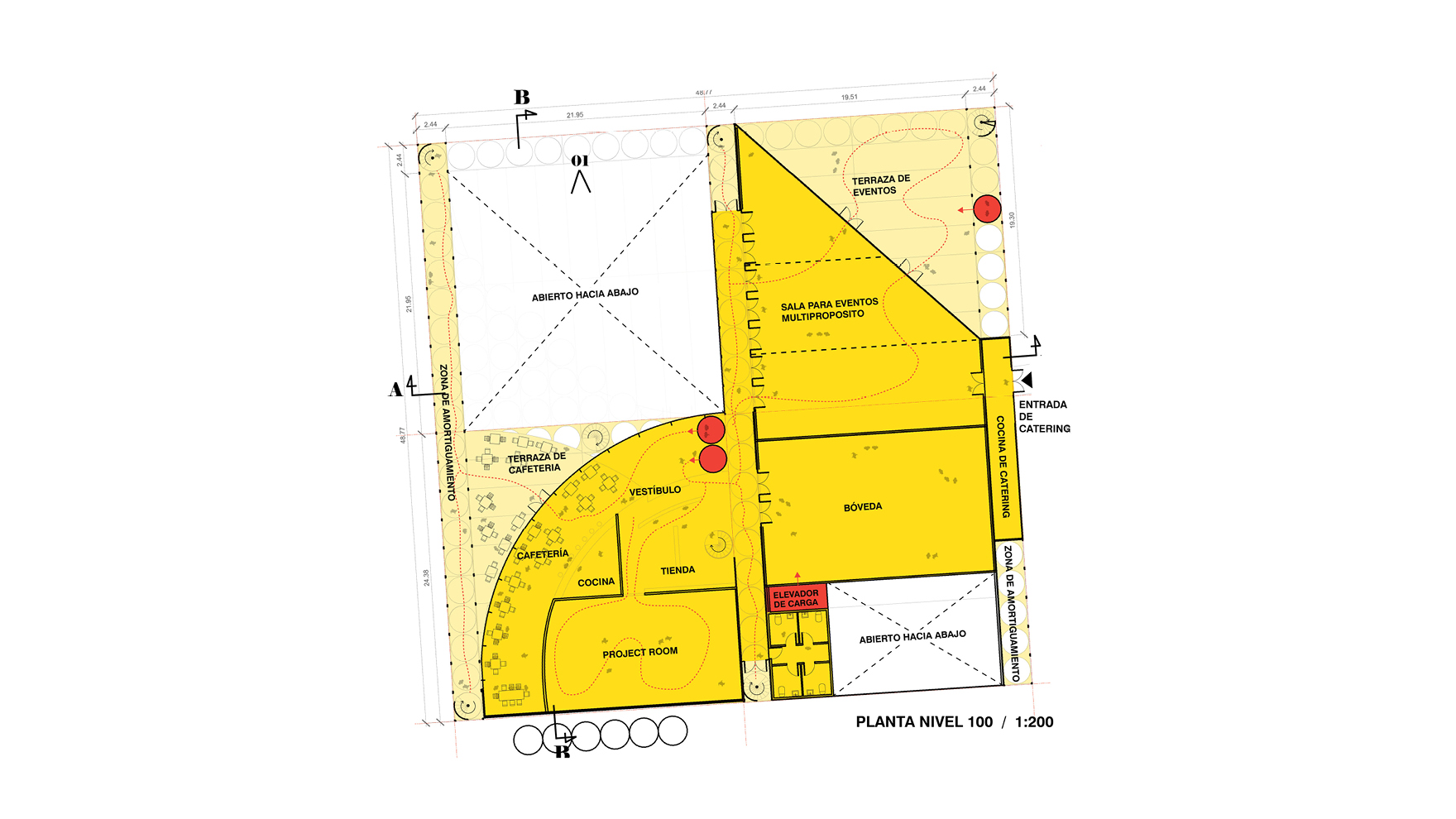
our intent is to maximize the volume of the building to stake the museum’s presence in the new cultural hub in dialogue with the scale of the proposed new developments. Within this larger volume, we organized the enclosed program to respond to the museum’s requirements and added outdoor opportunities, expanding the museum as a sculpture park, its mission directly visible from the city, and as an actual park, with green open space for the larger community
design & architecture
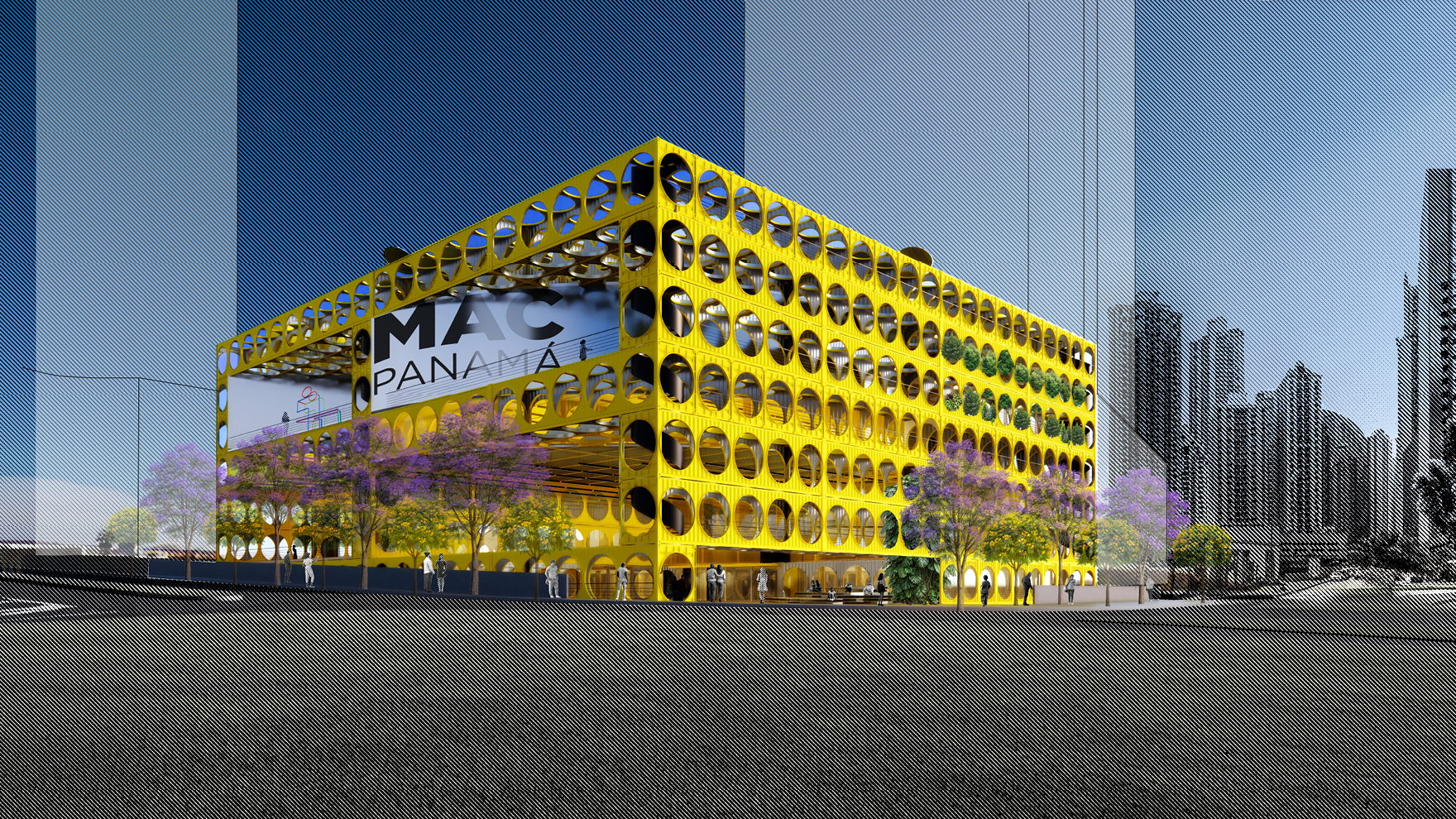
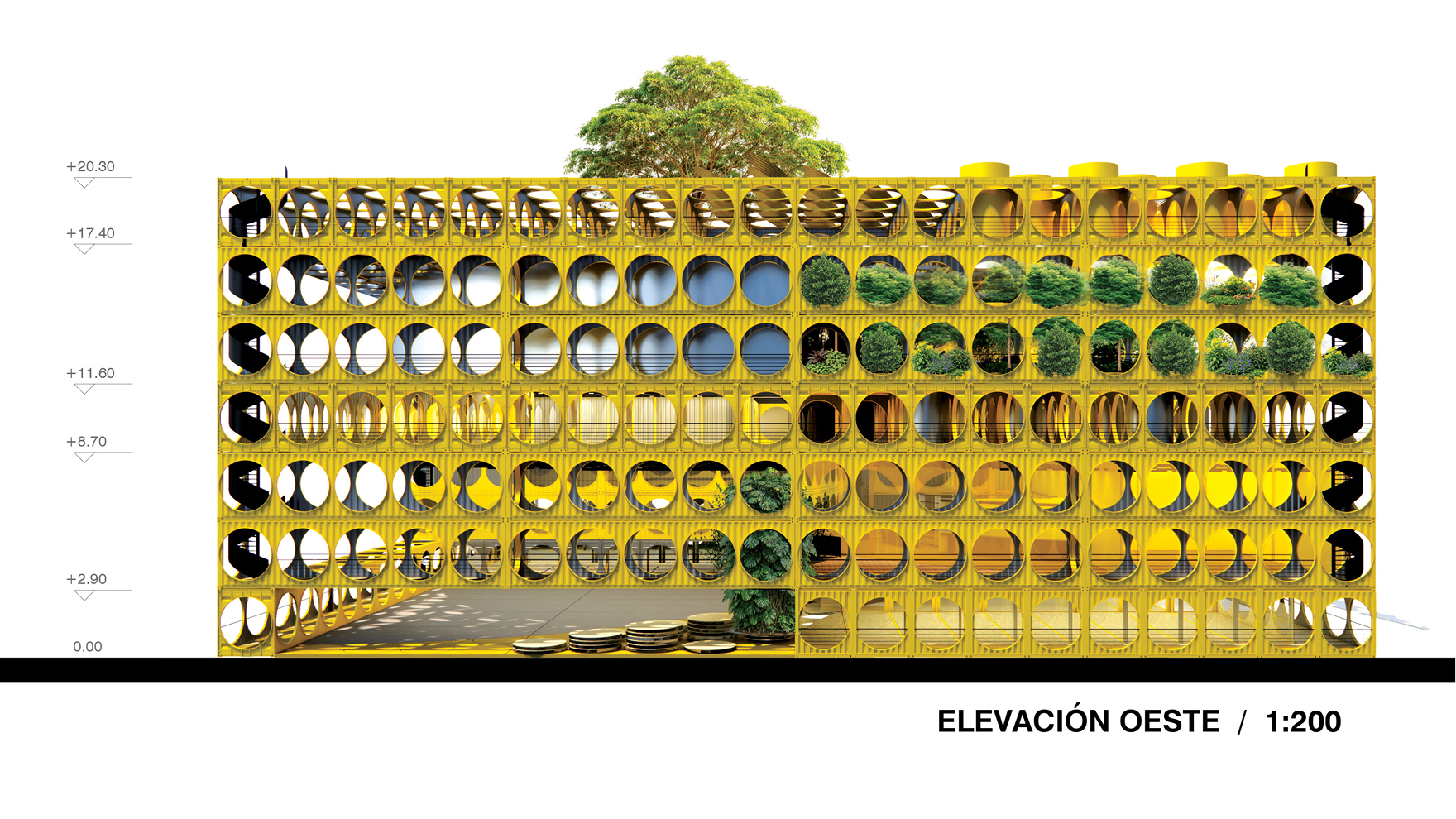
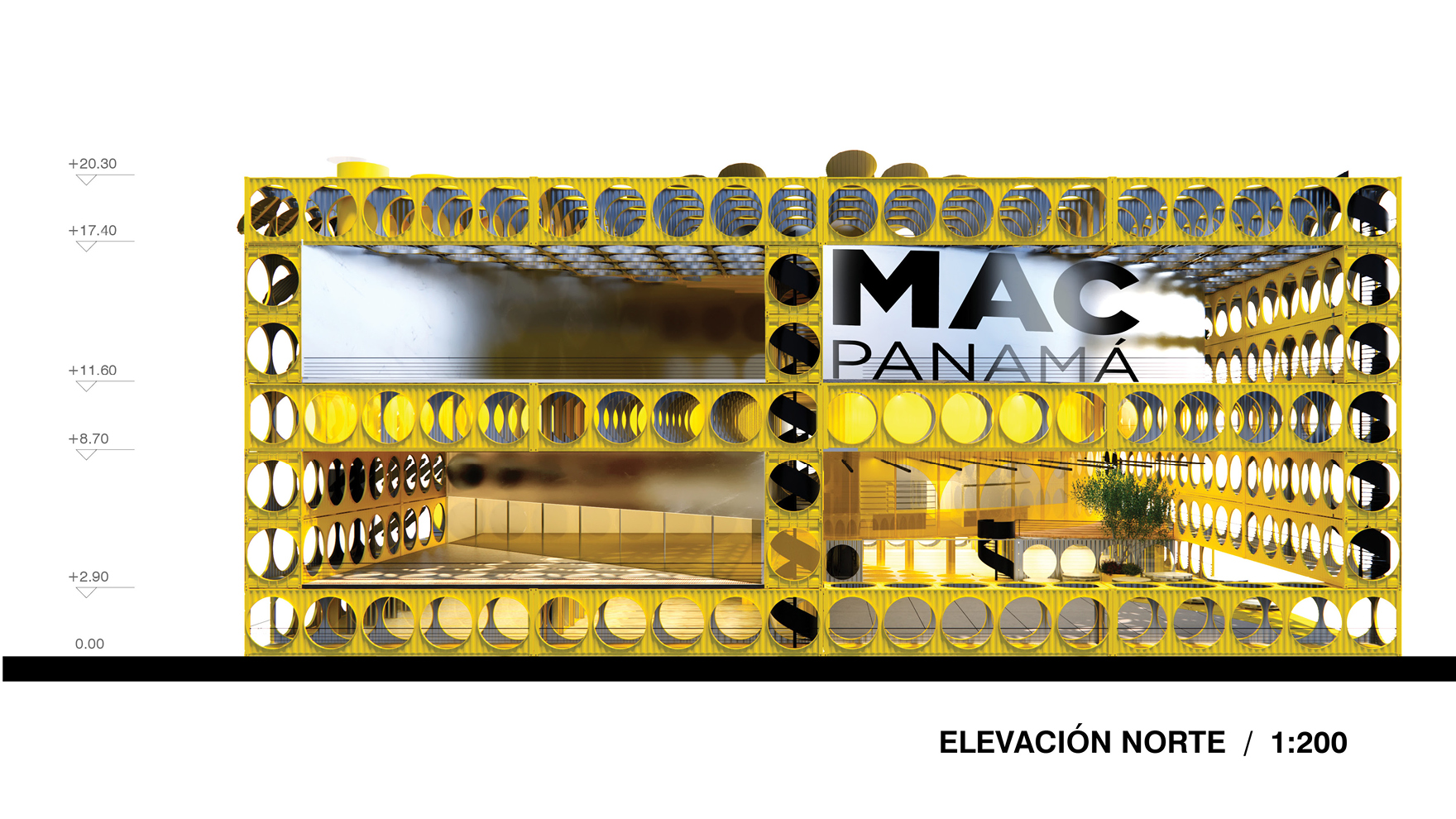
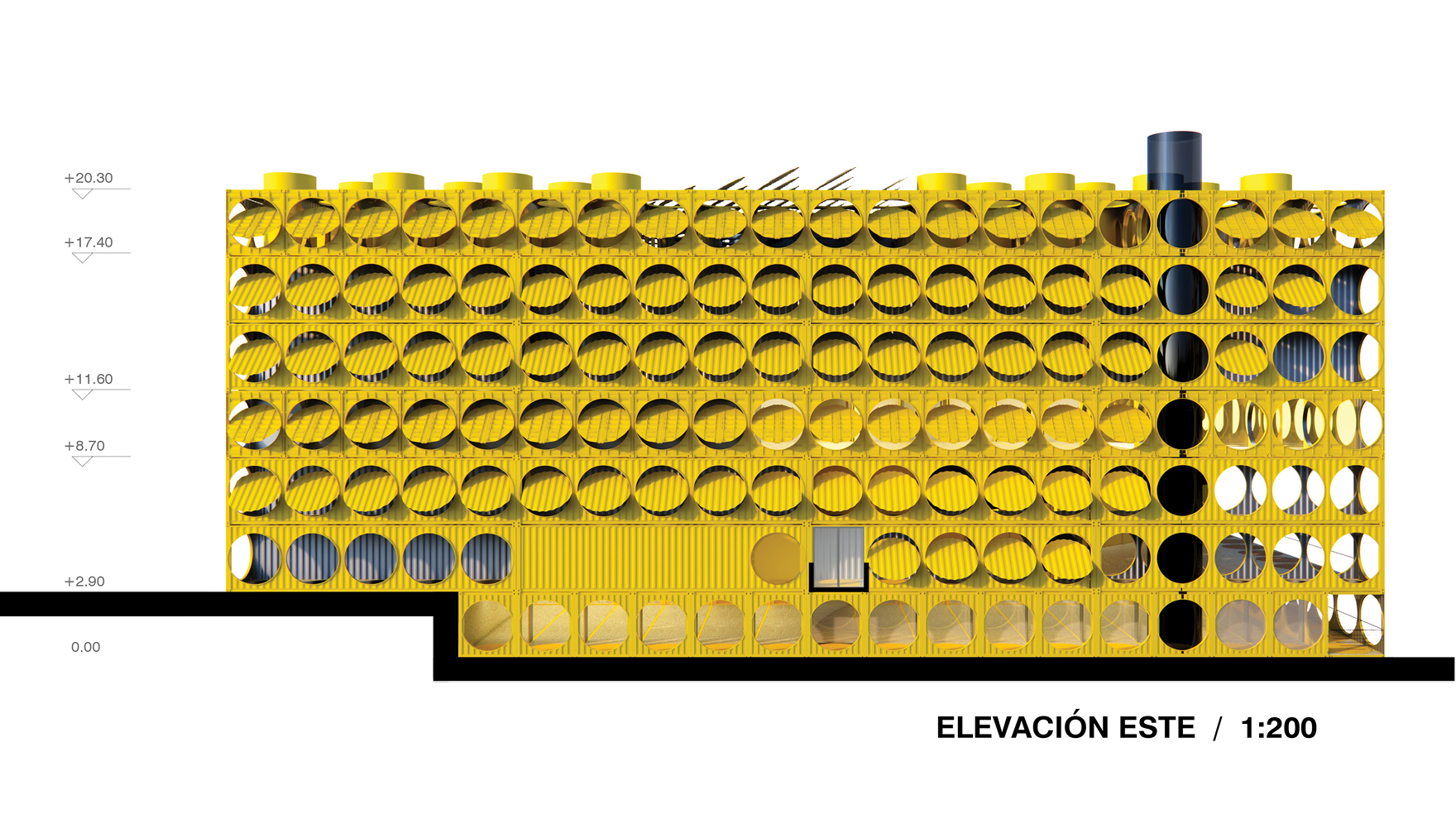
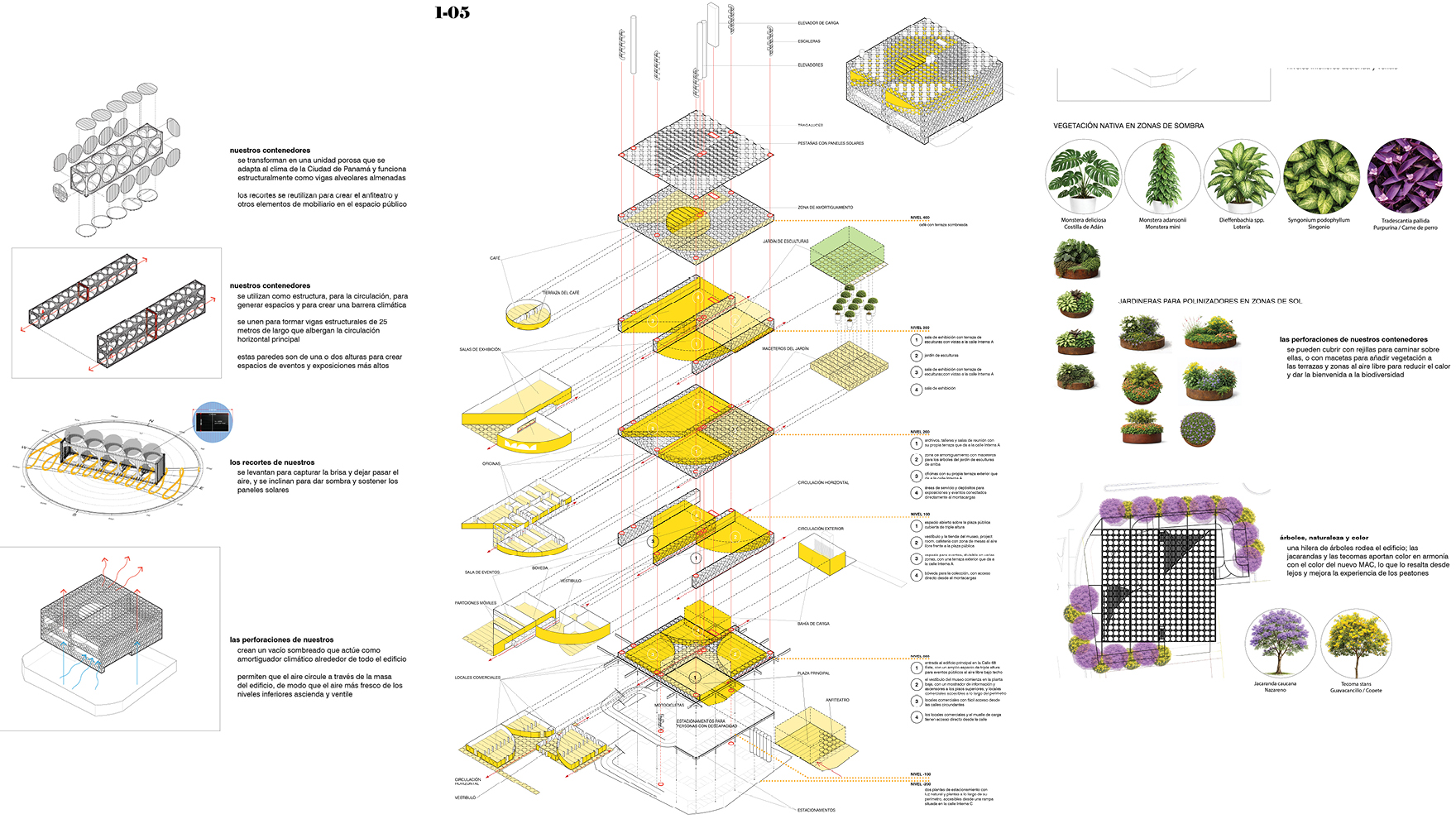
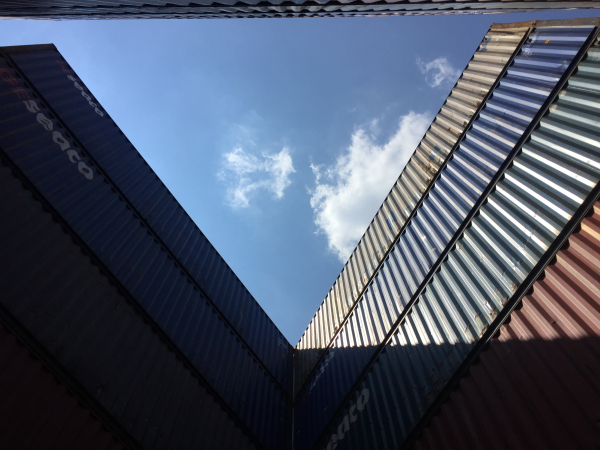
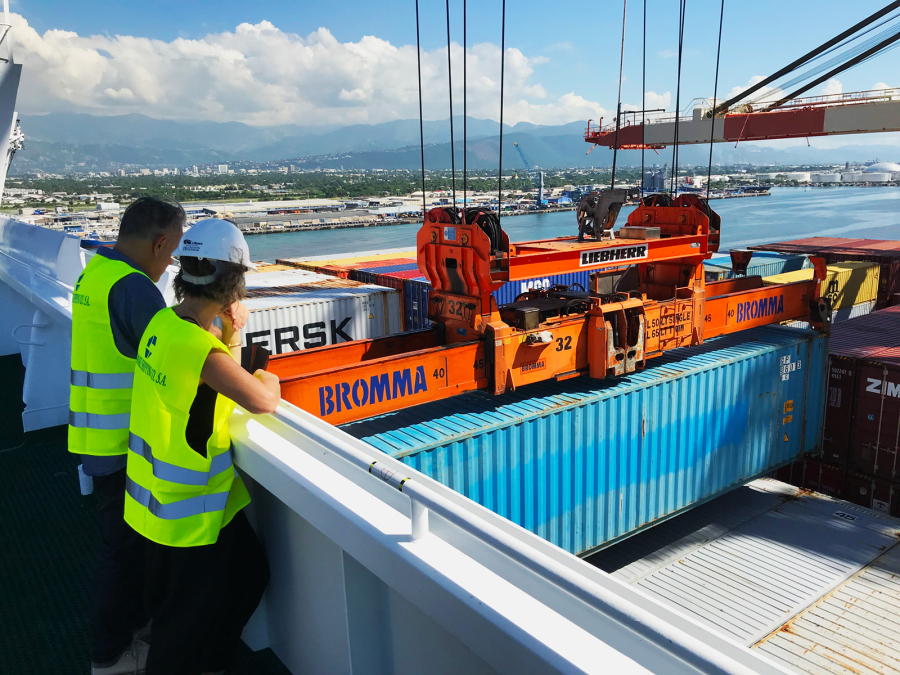
our scaffold is made of shipping containers, a hint to MAC’s nomadic past and the desire to directly engage with the consistent sideways passage of this very important contemporary object in the city and culture
program & use
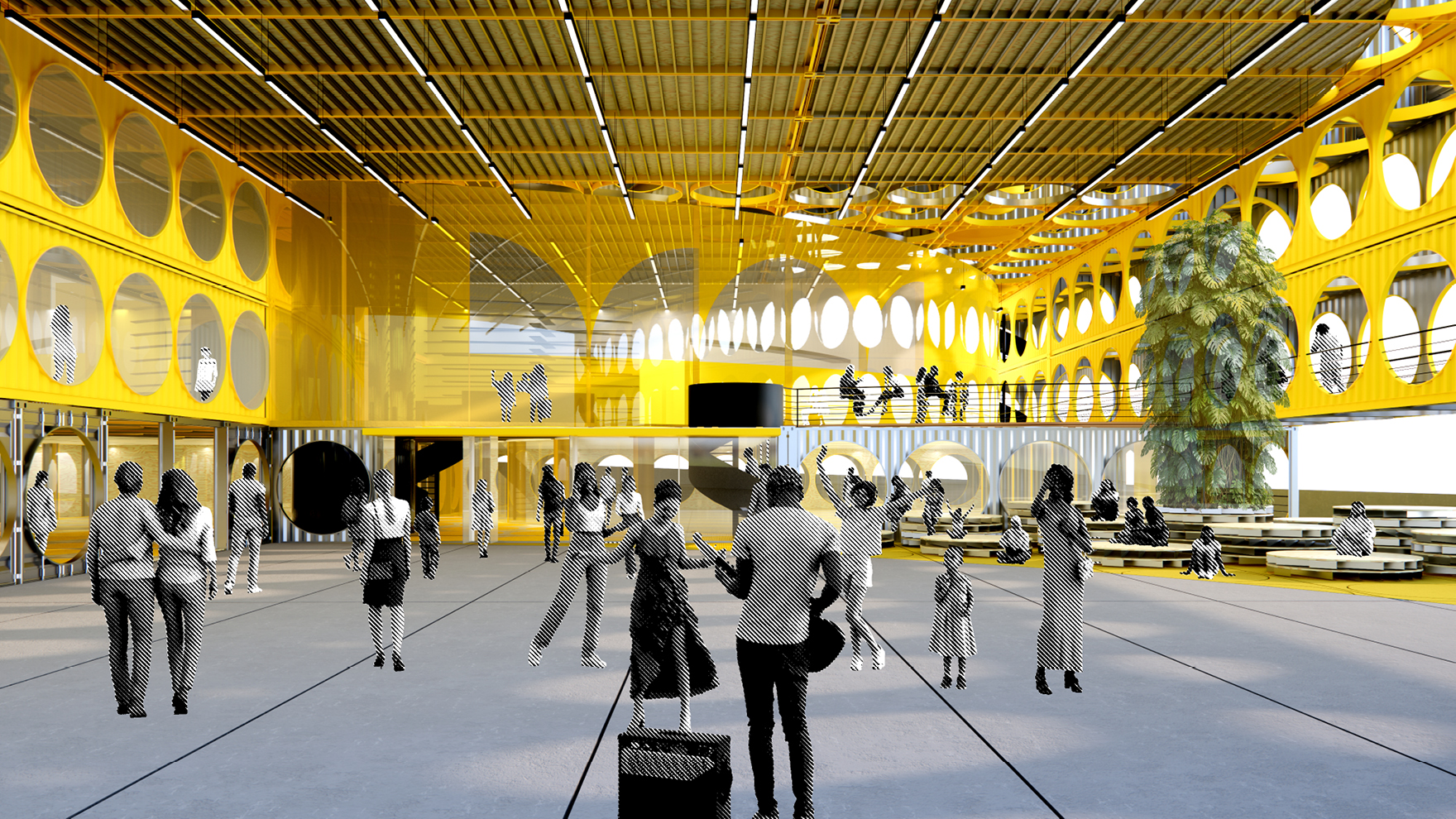
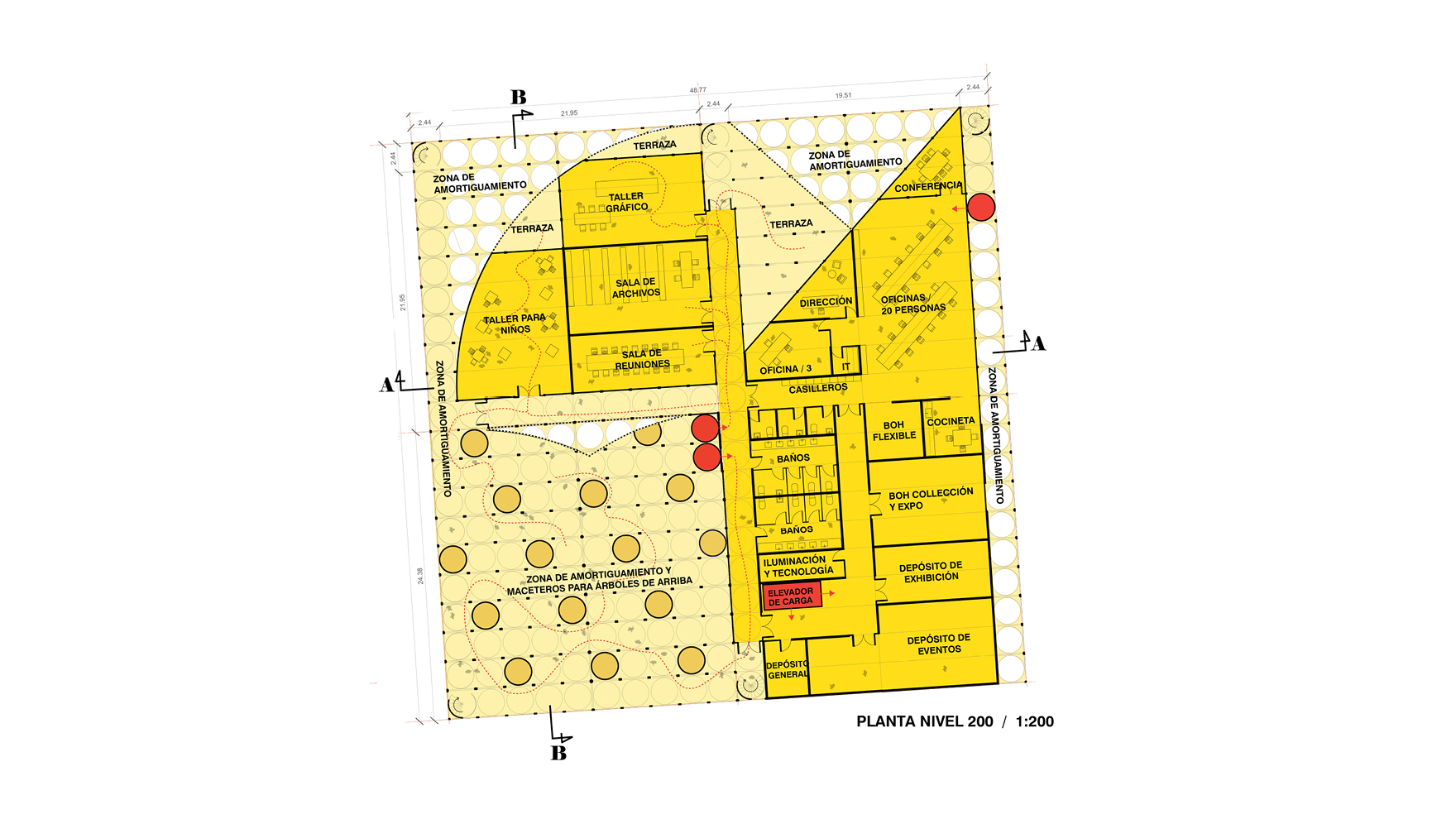
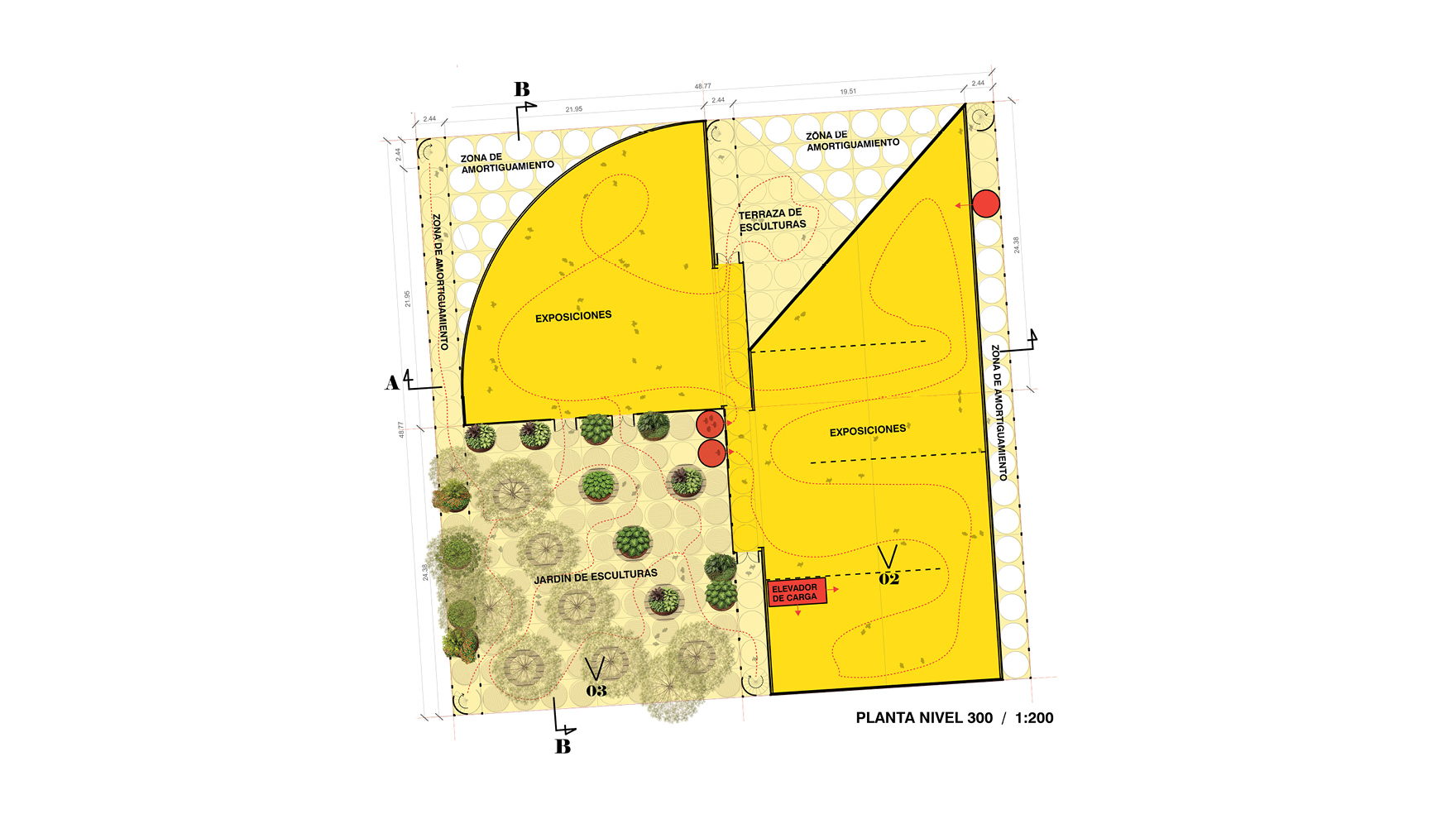
we stack containers to form a structural armature and use them either to hold program directly or, stacked two-high, to support taller public spaces. The main vertical supports are the building’s front and rear façades and its central circulation axis. Large spaces at each side of this central axis form four large quadrants occupied by different exhibition and public program volumes
impact & significance
about 10 million shipping containers per year cross the Panama Canal; about 200 are withdrawn from their wanderings and upcycled to frame the space of the new MAC. We embrace the shipping container as a central local material—and one of global relevance; to radically and joyfully transform it; to explore the surprise of this different setting, as also a form of play. And in that, our response to the museum’s intention to democratize the institution and to expand its reach
Dec 12, 2025
WE START WITH THE THINGS WE FIND