



Dec 12, 2025
WE START WITH THE THINGS WE FIND
bringing light to both front and back of the work/live townhouse of an artist
2008
West Village, NY
3,000 SF
Alice + Lawrence Weiner
Haruka Saito, project lead / Hanington Engineering, structure + MEP / Buro Happold, sustainability / L'Observatoire International, Herves Descotted, lighting
Dean Kaufman
concept & vision
the Weiner Townhouse is a live/work space for conceptual artist Lawrence Weiner and his wife Alice
design & architecture
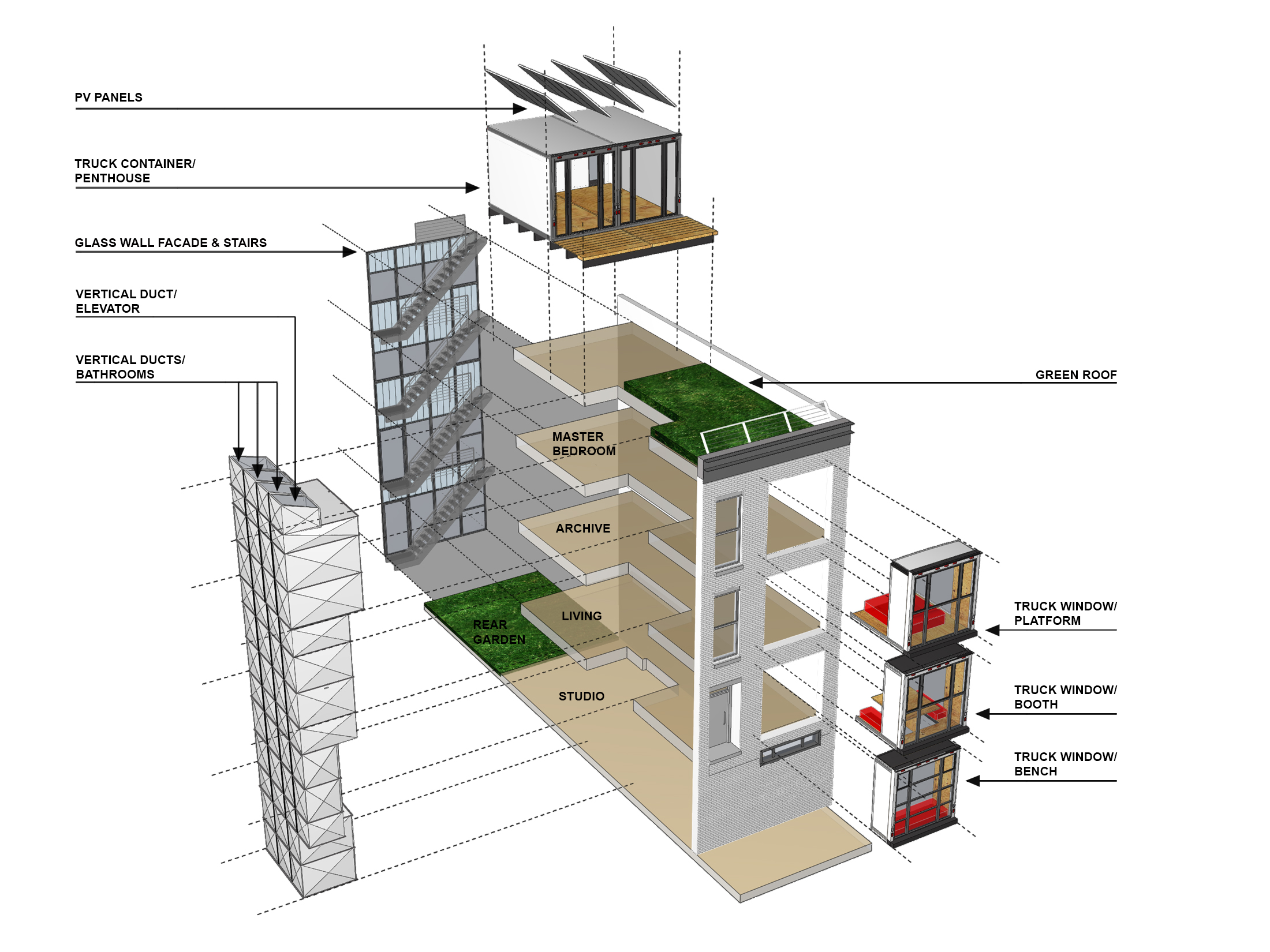
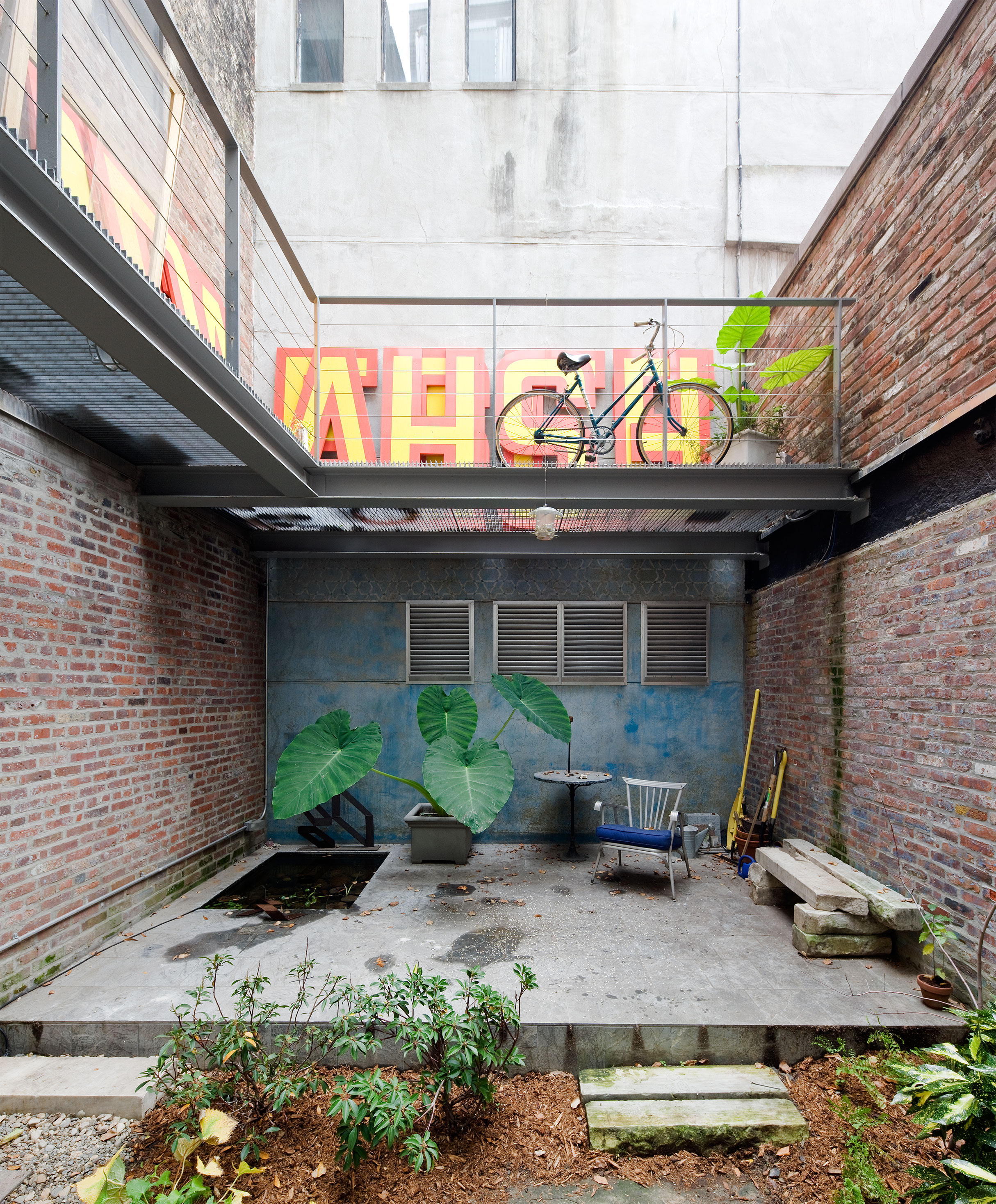
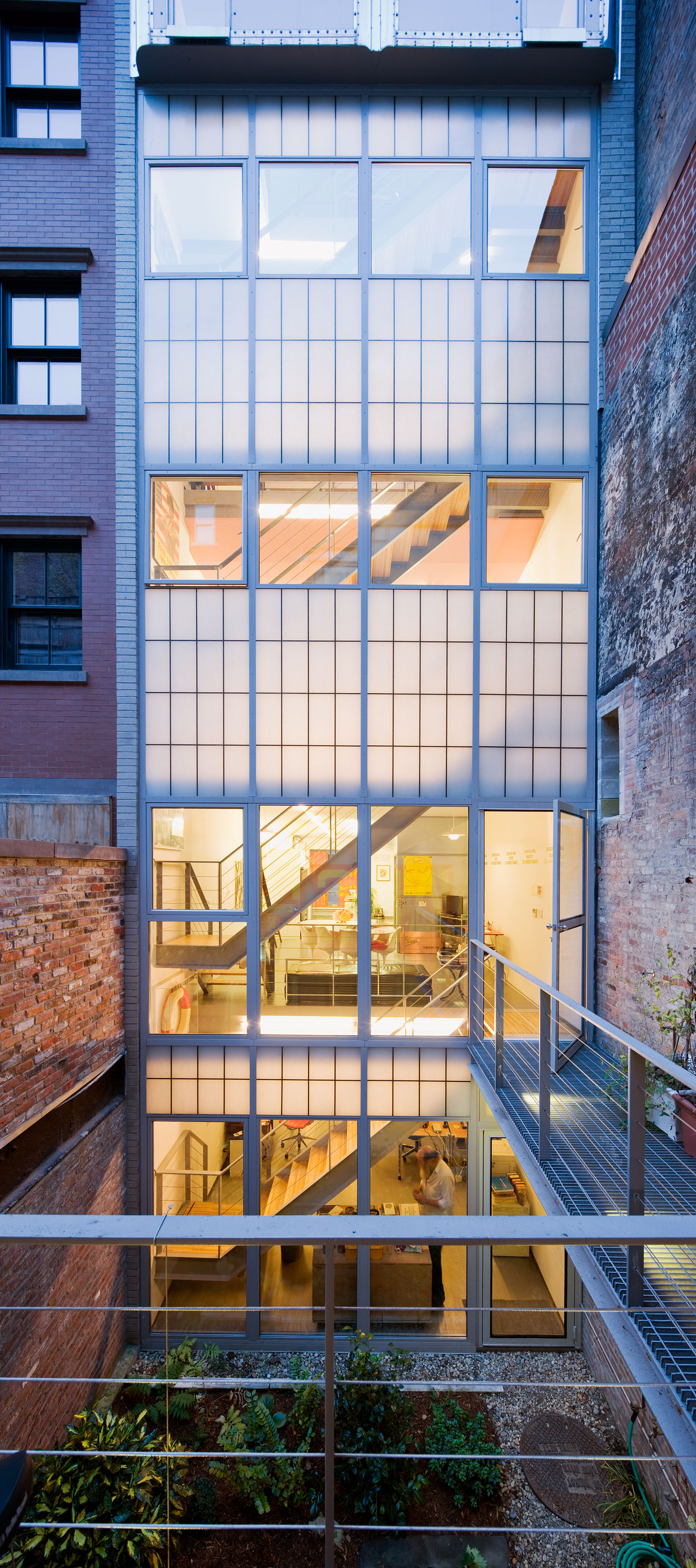
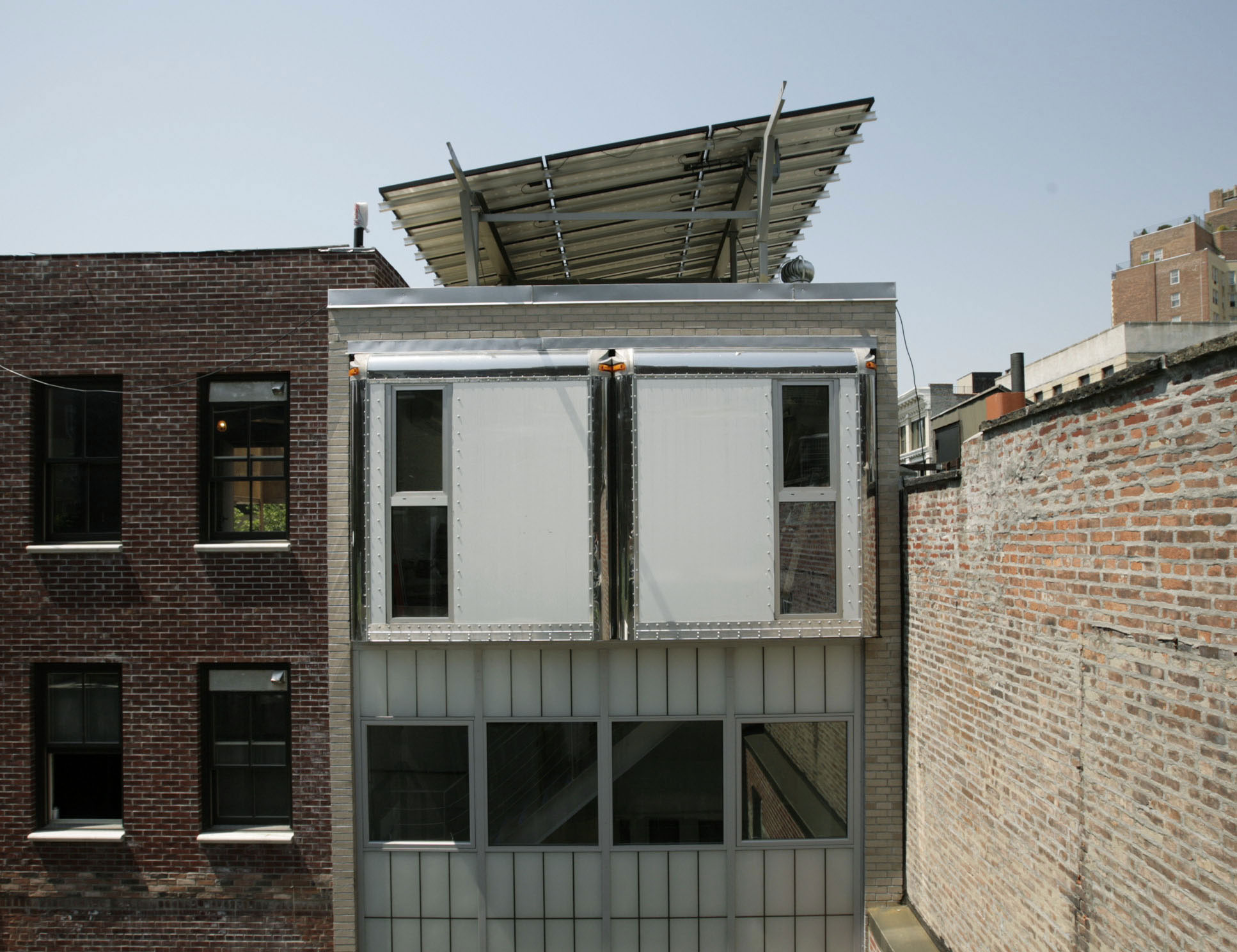
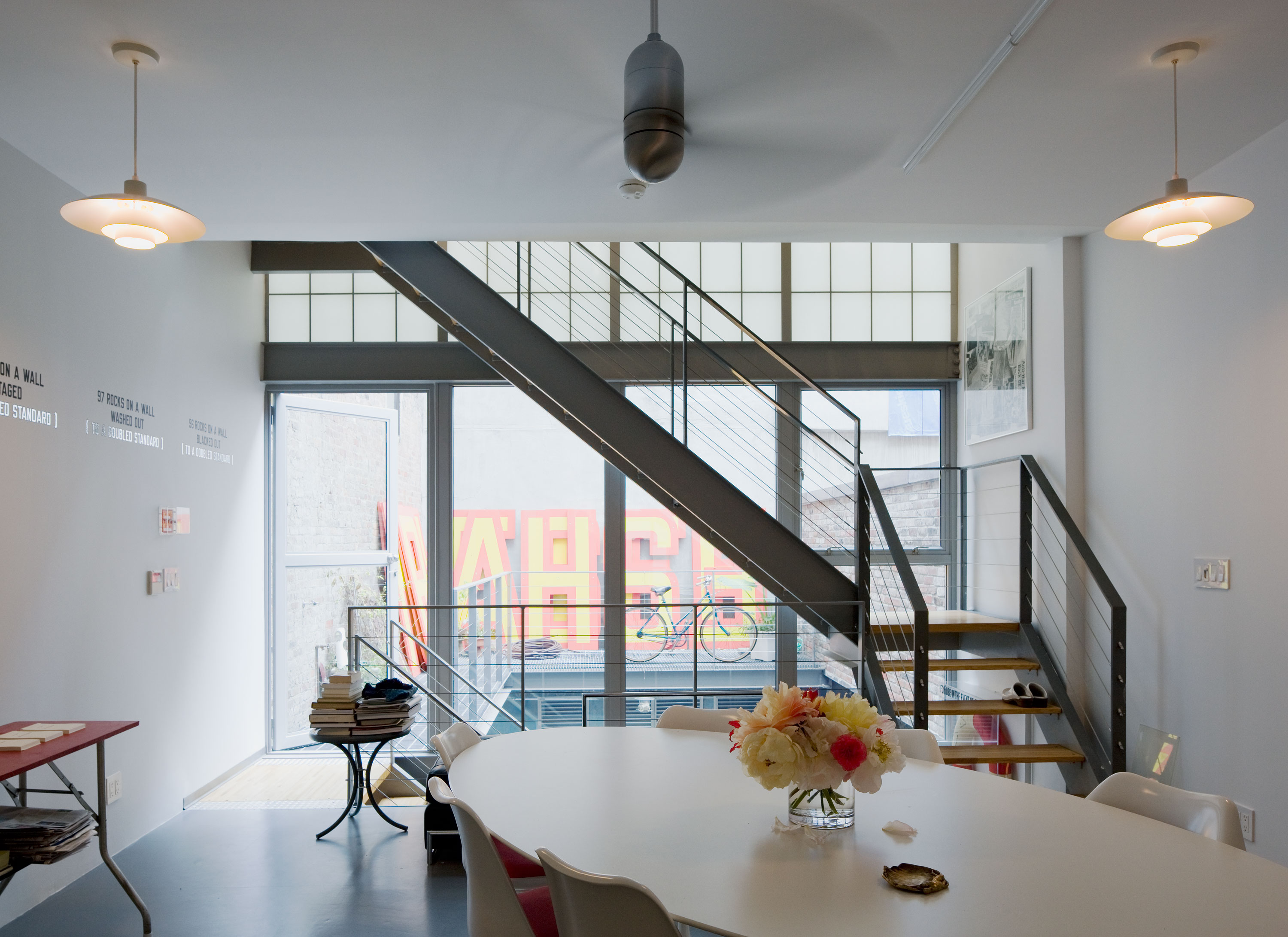
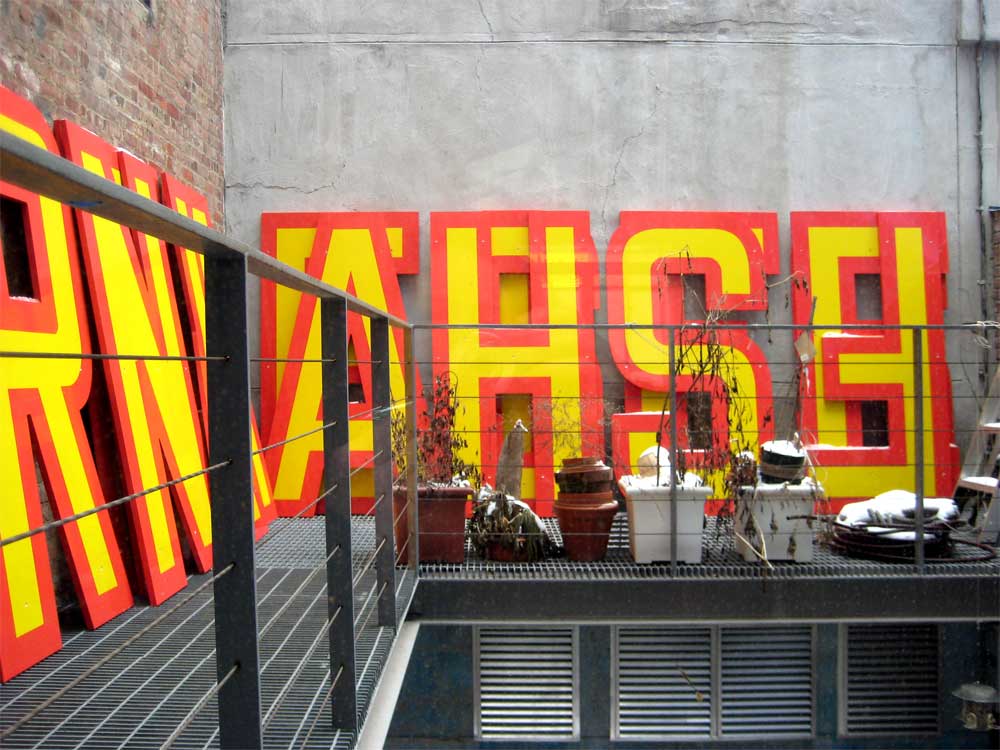
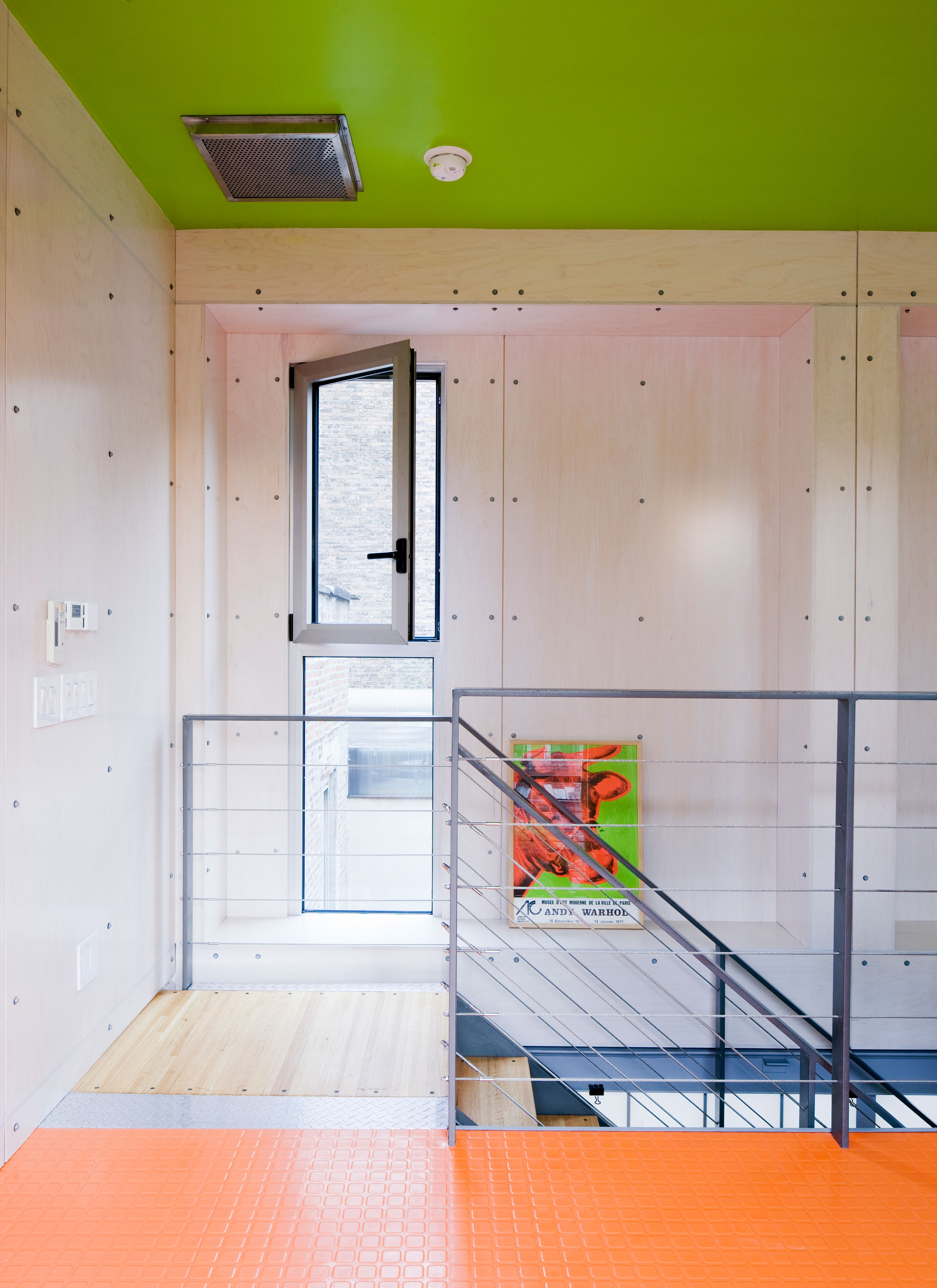
we retain the structural frame of the existing three-story, Greenwich Village structure, dating from 1910. And expand it vertically adding a full floor plus a penthouse with green roof. The new front façade continues the historical street front of West 4th street while the new back façade opens to the rear private yard with a much higher degree of transparency. Open stairs are repositioned across the back façade, freeing the interior spaces and organizing the mixed program vertically on simple open floors
program & use
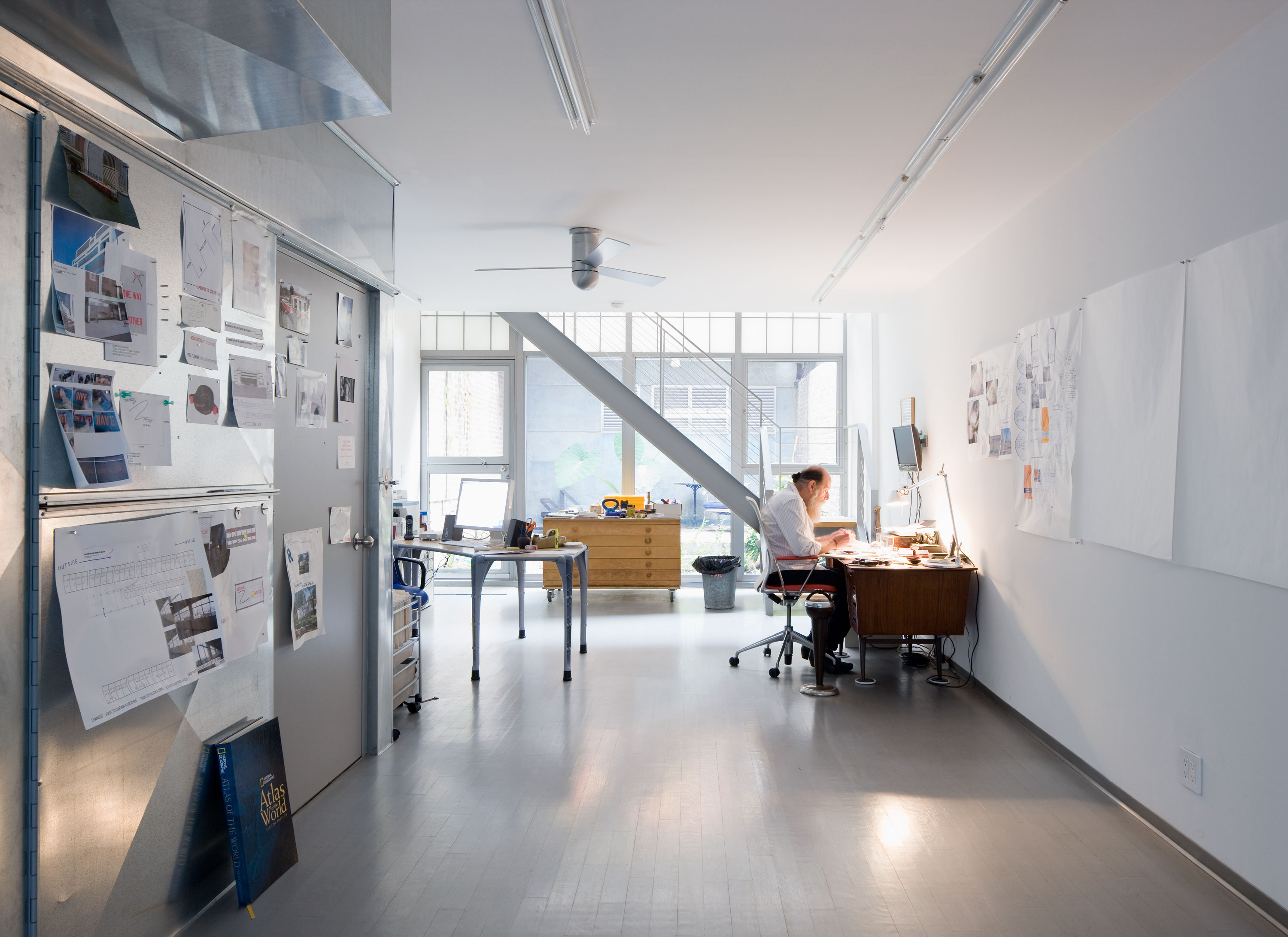
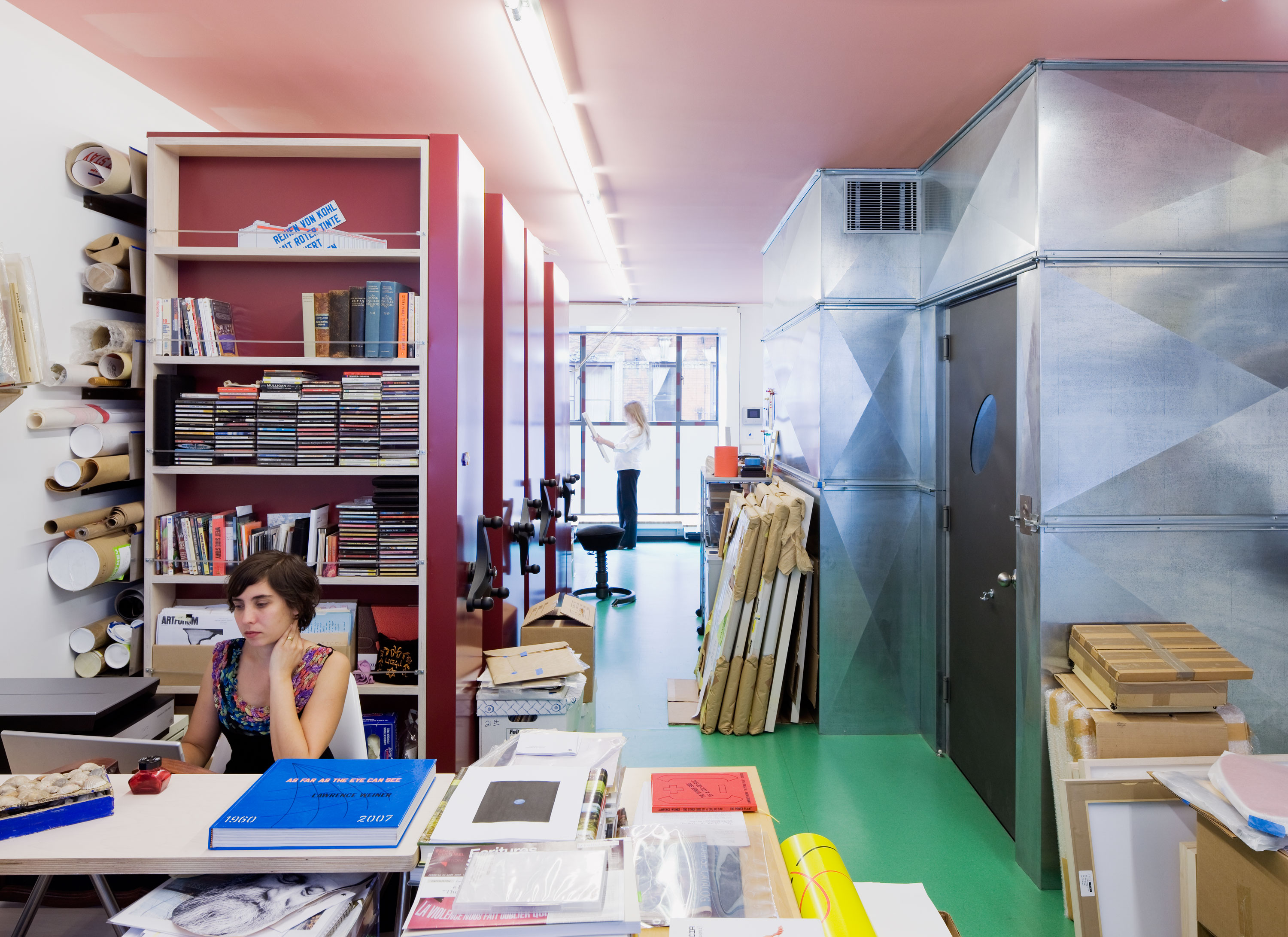
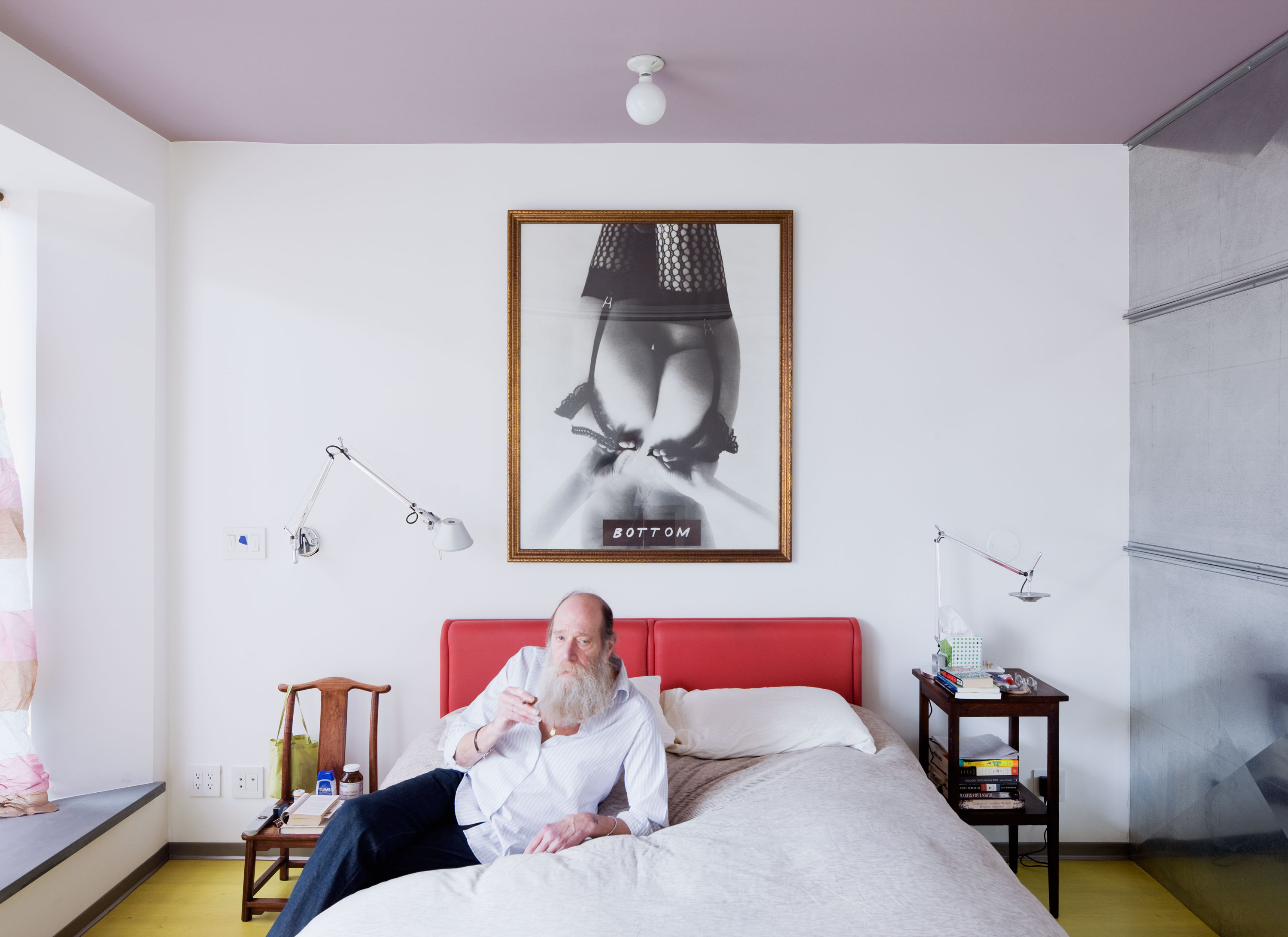
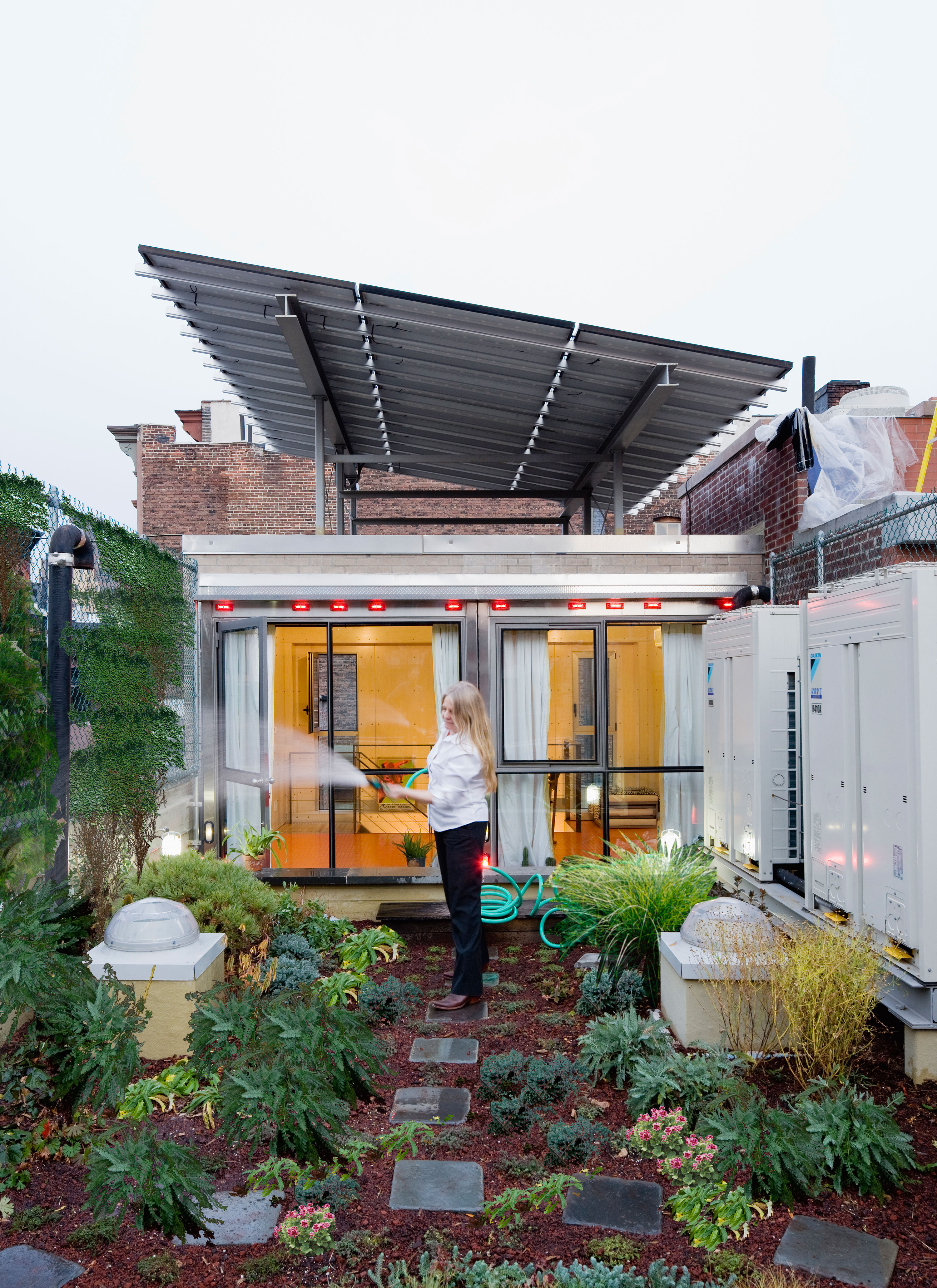
live/work is layered on alternating floors: the cellar houses the artist’s studio, the ground floor the living room and kitchen, the second floor the archive/management office, the third floor the master suite. The penthouse is a sun room that opens onto the planted green roof and it is topped by a trellis structure supporting photovoltaic panels for power. At every level, the open plan is pierced only by the vertical core housing the elevator, bathrooms, storage, and mechanical equipment. The core is constructed and expressed as a galvanized-steel duct
impact & significance
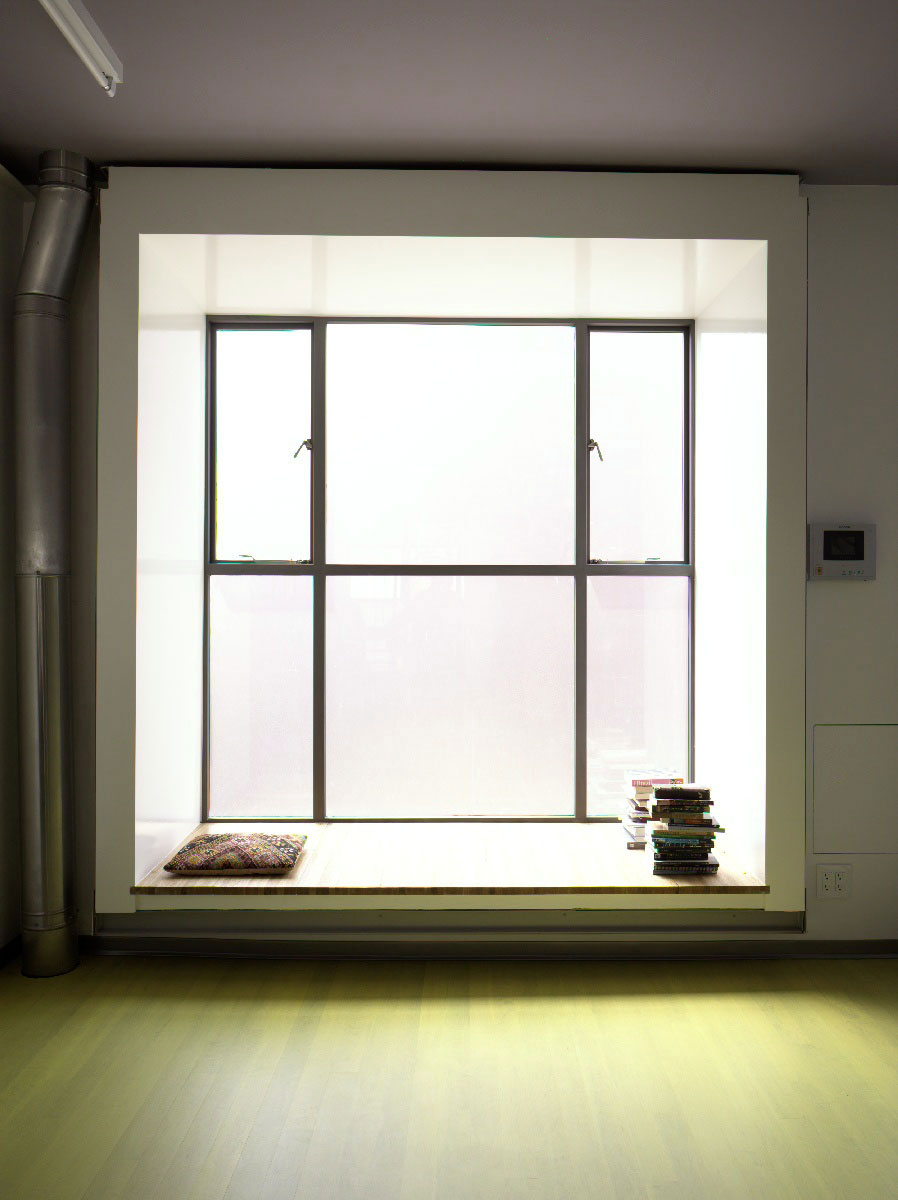
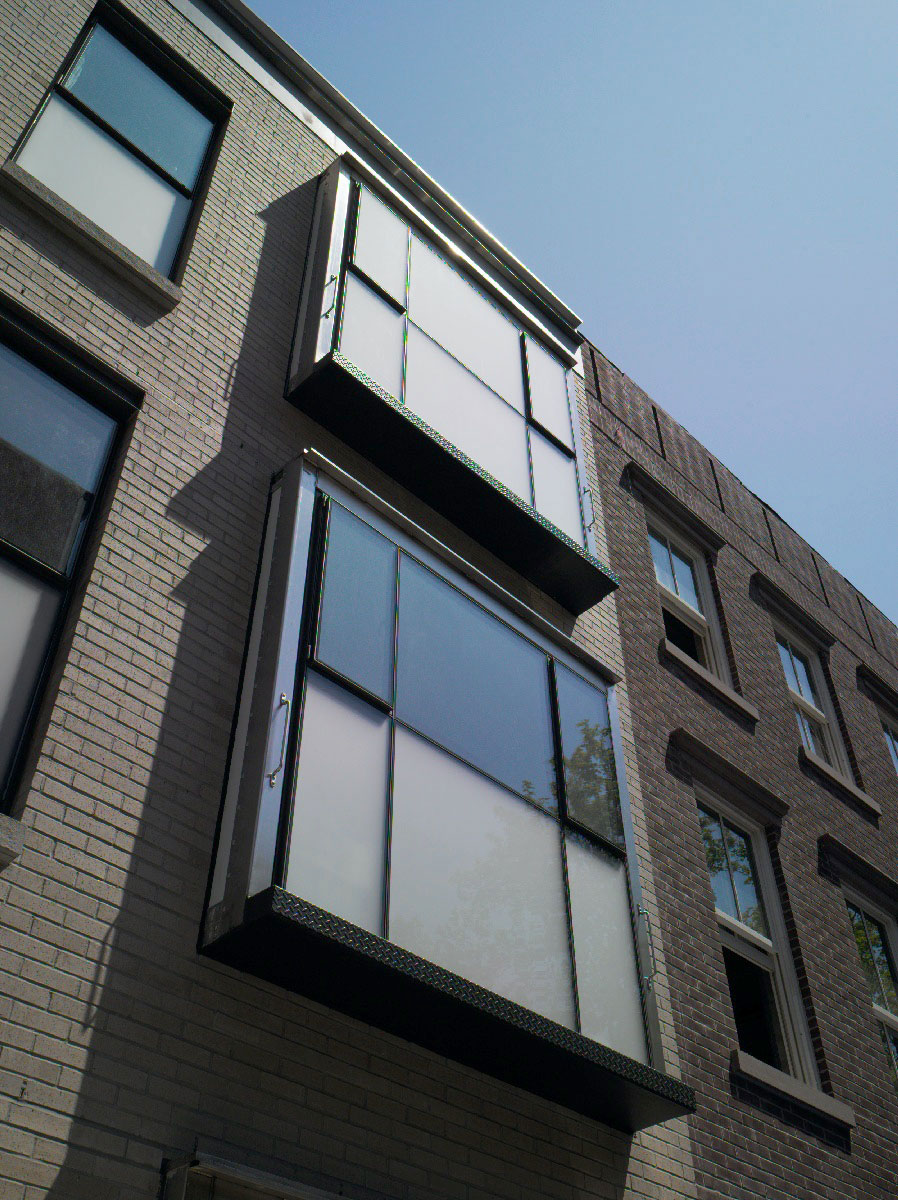
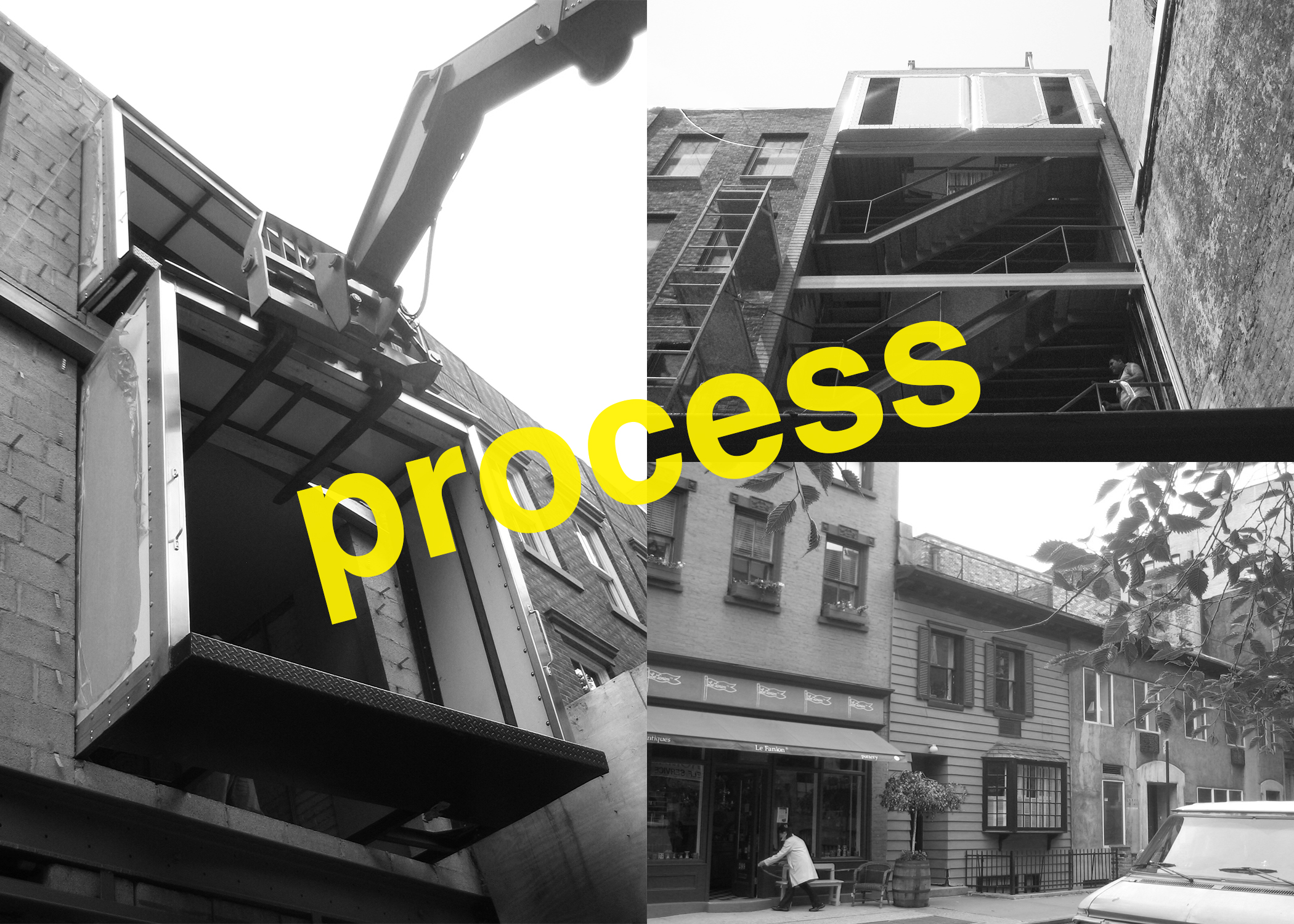
to conform to the Landmark Commission’s idea of 'appropriateness', we respect the continuous brick street front. To respond to the client's desire of abundant natural light, the brick wall front façade is pierced and plugged by three large bay windows, stacked vertically one at each floor above street level. These bay windows are rear sections of stainless steel truck bodies, emerging from the façade with different programs at different levels: kitchen bench on the ground floor, conference nook on the second, and bed platform on the third. Aside from the upcycling of these large industrial objects, the house features a green roof, photovoltaic panels, a high R-value translucent curtain-wall for the rear façade by Kalwall, a highly efficient pre-manufactured radiant floor heating system by Warmboard, natural rubber and wood floors, fluorescent and LED lighting, VOC-free paint, formaldehyde-free insulation, energy-efficient appliances and mechanical/electrical equipment
Dec 12, 2025
WE START WITH THE THINGS WE FIND